Quick answer
What are the best things to do in Sri Lanka?
If you only do five: climb Sigiriya at opening time, ride the hill-country train from Nanu Oya to Ella, look for leopards in Yala, walk Galle Fort's ramparts at sunset and, from December to April, go whale watching off Mirissa. They sit in different regions, but most are under four hours' drive apart, so a two-week private tour covers all five.
- Sigiriya: go at 7am, before the heat
- Train: Nanu Oya to Ella runs; Kandy section closed
- Yala: best February to July
- Whales off Mirissa: December to April
- Listed here
- 25 in 6 regions
- UNESCO sites
- 8 in Sri Lanka
- Trip length
- 10–14 days
- From London
- About 10–10.5 h non-stop
In this guide (10 sections)
The Cultural Triangle: rock fortresses and ancient cities
Four of Sri Lanka's eight UNESCO World Heritage Sites (Sigiriya, Dambulla, Polonnaruwa and Anuradhapura) sit in the dry plains of the north-central region, so this is where most trips begin. Stay two or three nights near Sigiriya or Habarana; everything below is within about an hour. It is hot by mid-morning, so start at 7am and keep the middle of the day for the pool.
1. Sigiriya Rock Fortress
Sigiriya, Cultural Triangle
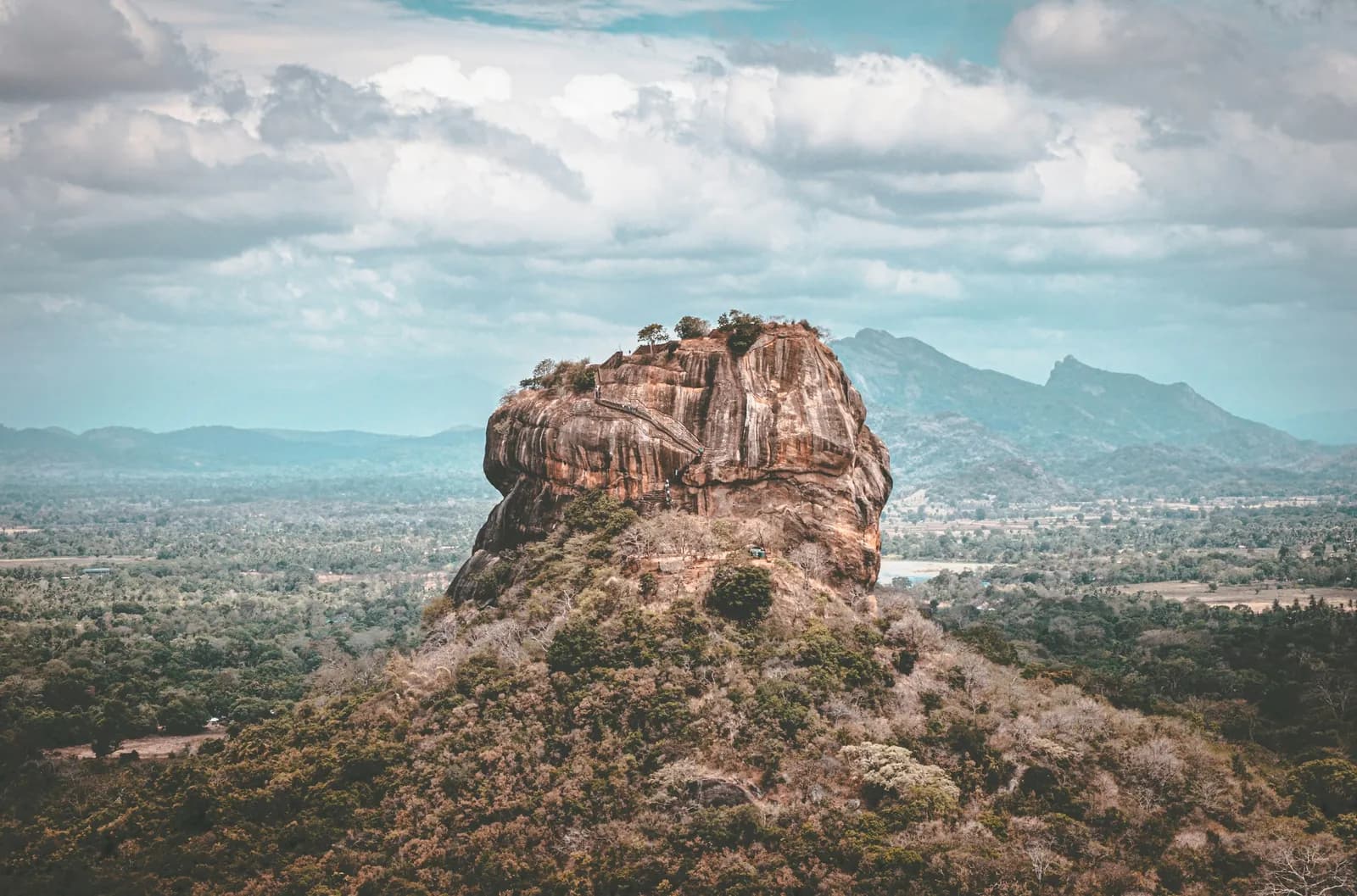
Sigiriya is a fifth-century royal citadel built on top of a 200-metre granite outcrop in Sri Lanka's Cultural Triangle. Around 1,200 steps climb past water gardens, cloud-maiden frescoes and the mirror wall to palace ruins on the summit.
- Best time
- Best: Year-round
- Time needed
- Half Day · 3–4 hours
2. Pidurangala Rock Sunrise Climb
Sigiriya, Cultural Triangle
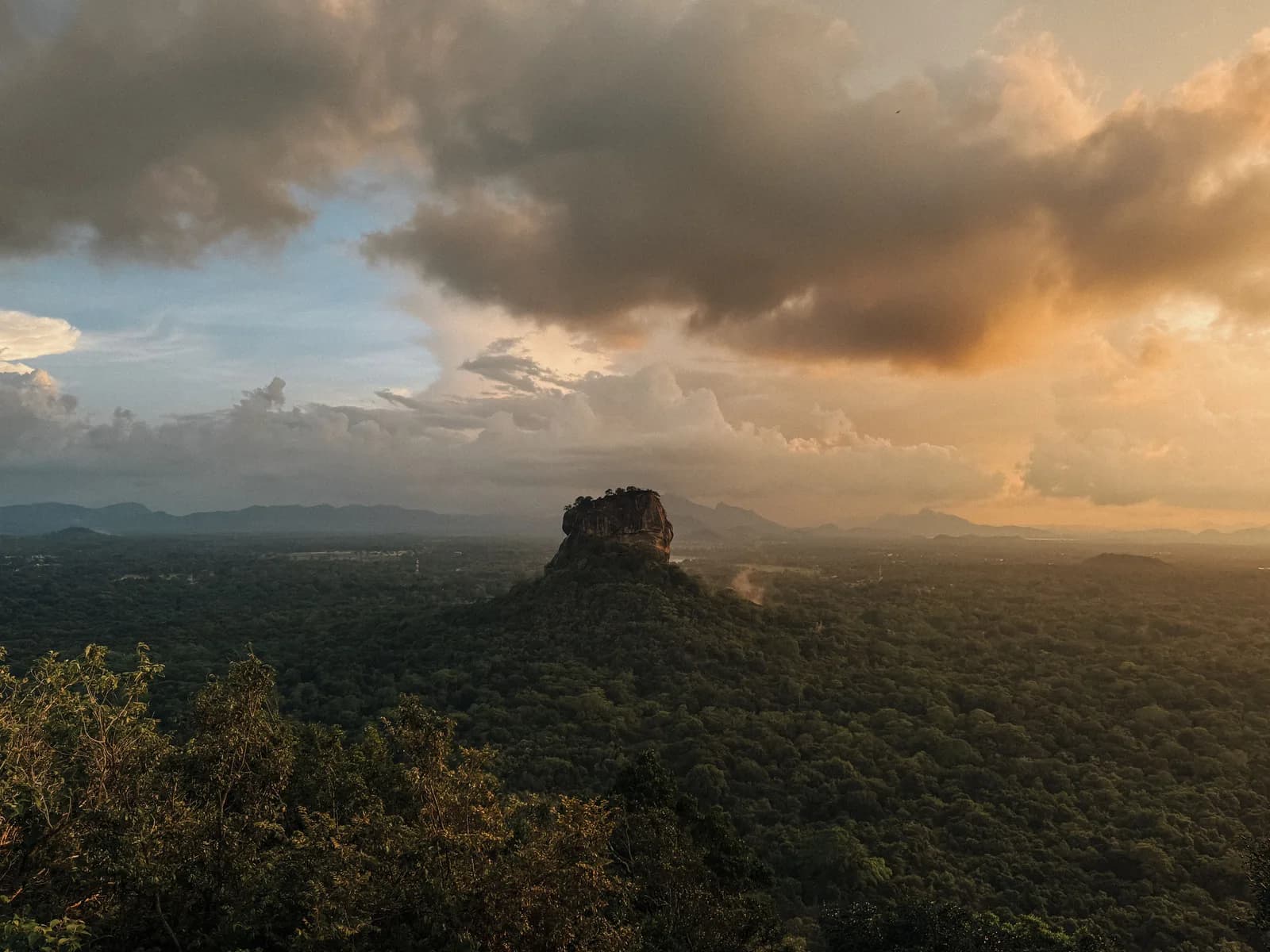
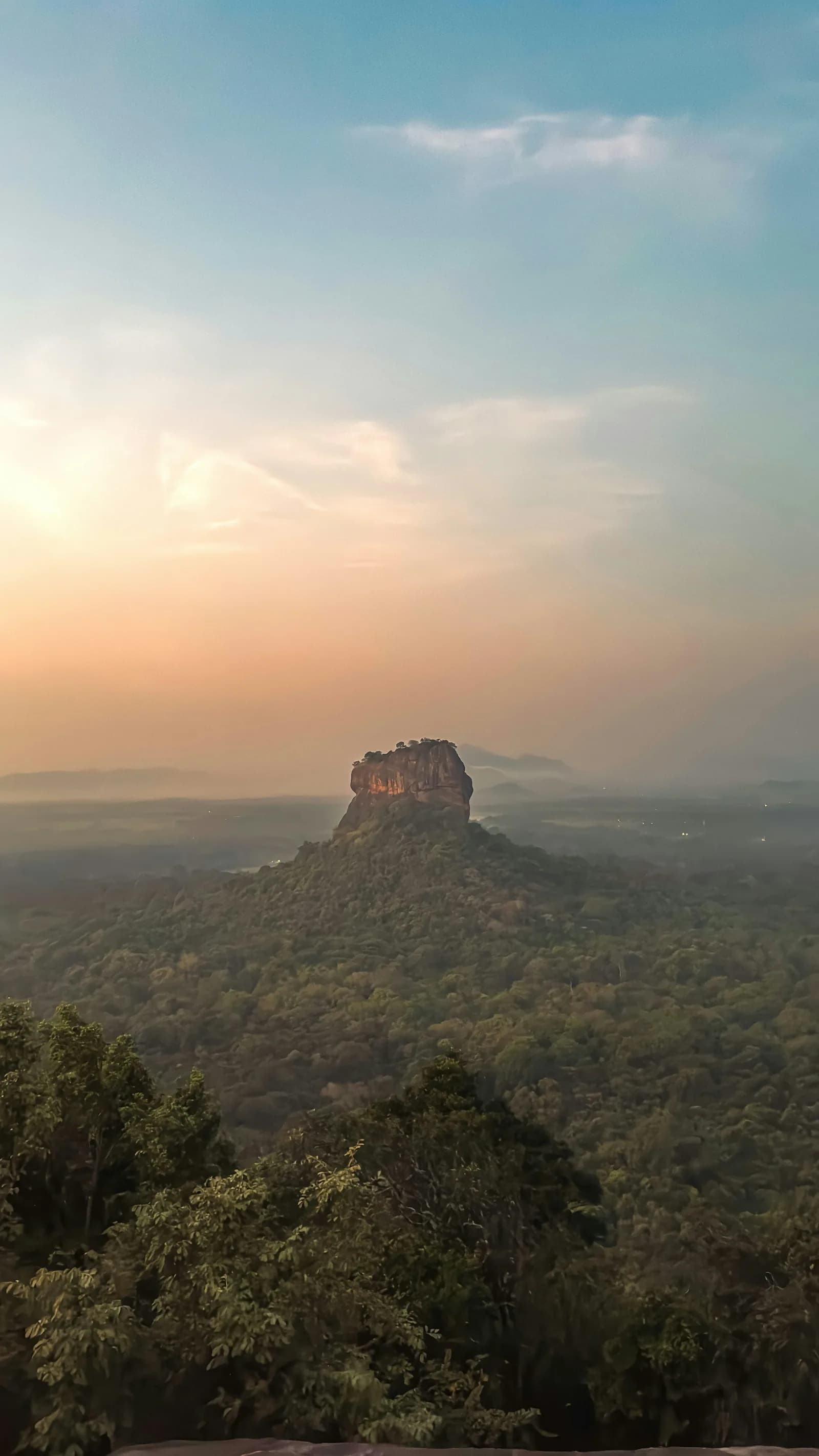
Pidurangala Rock is a massive granite formation located directly opposite Sigiriya in Sri Lanka's Cultural Triangle. Climbing its ancient forested stairways and brief summit boulder scramble before dawn rewards adventurers with the island's most legendary sunrise vista: Sigiriya's iconic Lion Rock standing proud against golden jungle plains.
- Best time
- Best: Year-round (Best November–April)
- Time needed
- Half Day · 2–3 hours
3. Dambulla Cave Temple
Dambulla, Cultural Triangle
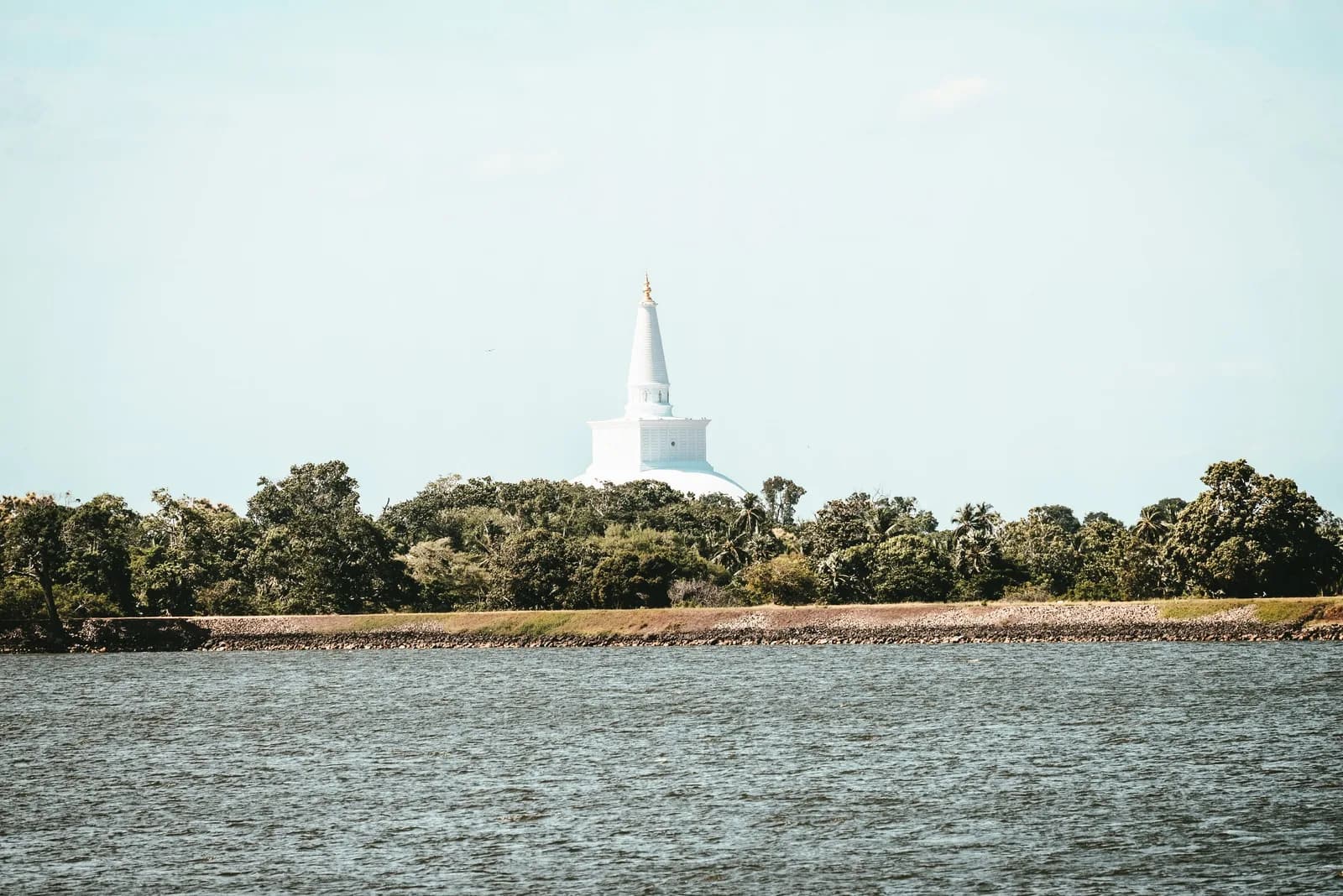
The Dambulla Cave Temple, or Golden Temple of Dambulla, is the largest and best-preserved rock cave monastery complex in Sri Lanka. Towering 160 metres over the surrounding plains, its five sacred caverns house 153 masterfully sculpted Buddha statues and over 2,100 square metres of intricate ceiling murals spanning two millennia.
- Best time
- Best: Year-round
- Time needed
- Half Day · 2–3 hours
4. Ancient Polonnaruwa Ruins
Polonnaruwa, Cultural Triangle
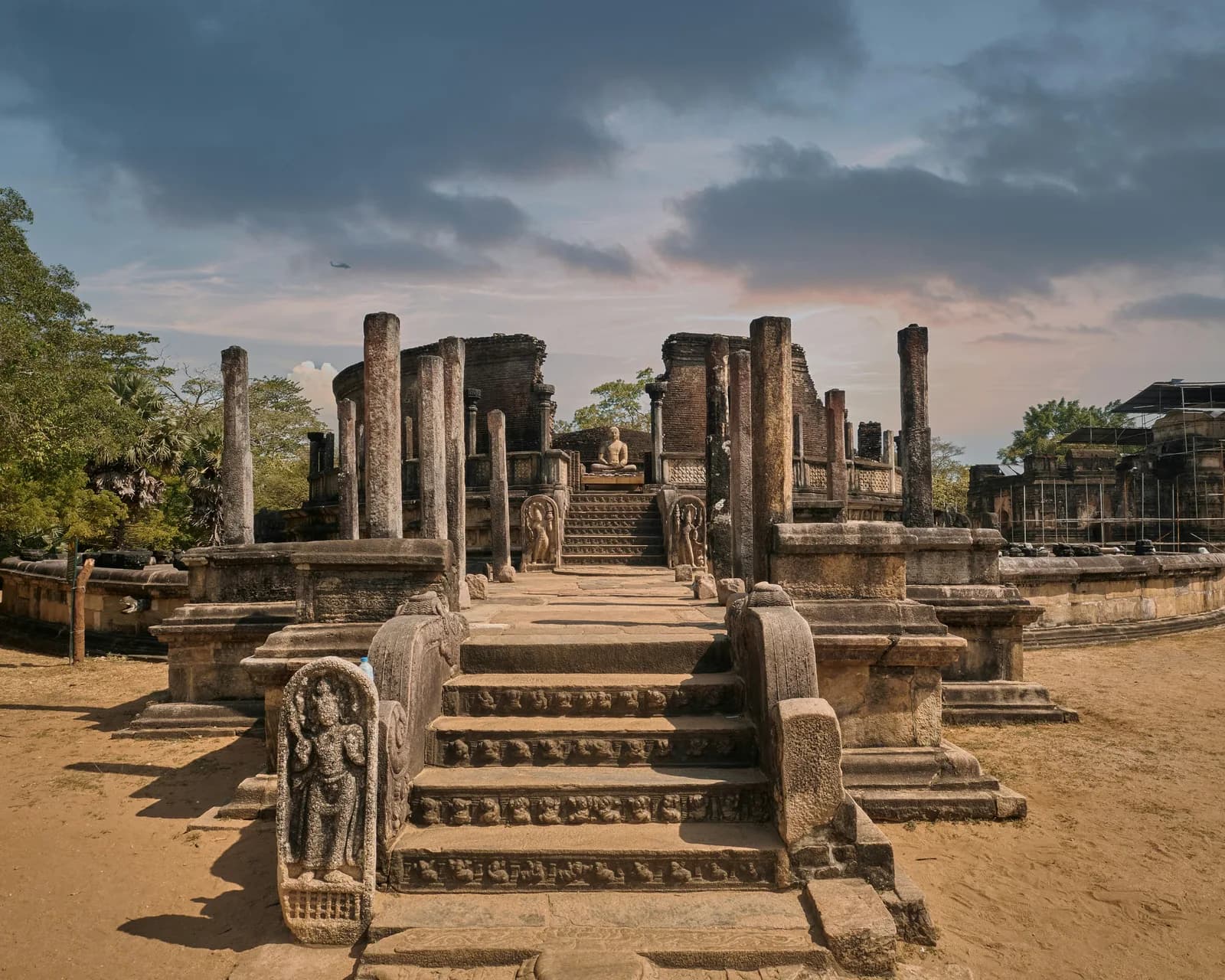
Polonnaruwa was Sri Lanka's thriving royal capital from the 11th to 13th centuries, renowned for its monumental palaces, intricate irrigation reservoirs, and masterfully sculpted granite Buddhas. Exploring the sprawling archaeological park by bicycle allows travellers to glide effortlessly between ancient lotus baths, royal audience halls, and the world-famous Gal Vihara rock shrine under shaded forest canopies.
- Best time
- Best: Year-round
- Time needed
- Half Day · 3–4 hours
5. Sacred Anuradhapura
Anuradhapura, North Central Province
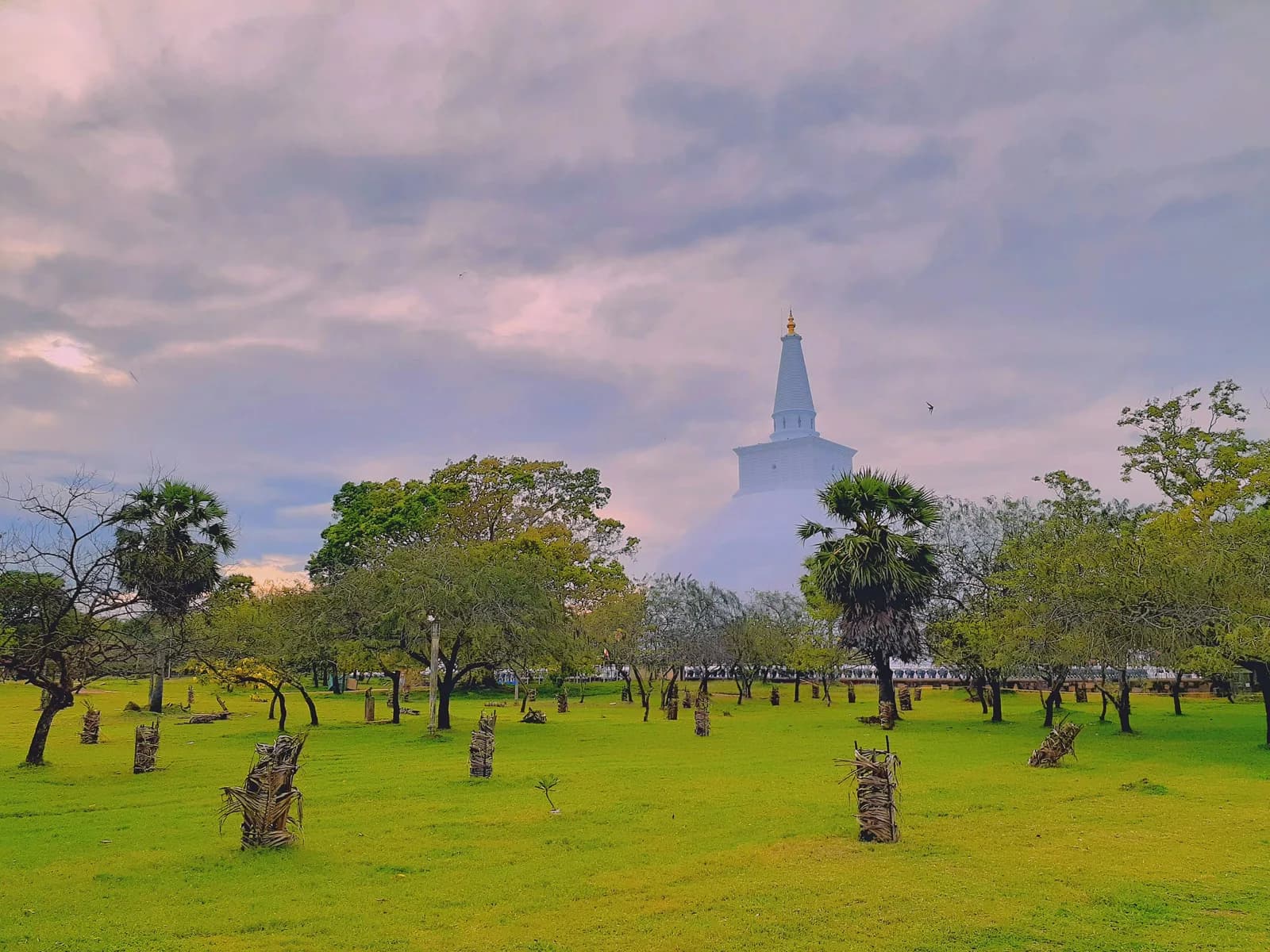
Anuradhapura was the cradle of Sri Lankan Buddhist civilization and the kingdom's magnificent royal capital for over thirteen centuries. A UNESCO World Heritage Site spanning colossal brick stupas comparable in scale to Egypt's pyramids, it remains an active sacred sanctuary enshrining the Jaya Sri Maha Bodhi, the oldest historically documented living tree in the world.
- Best time
- Best: Year-round
- Time needed
- Full Day · 4–6 hours
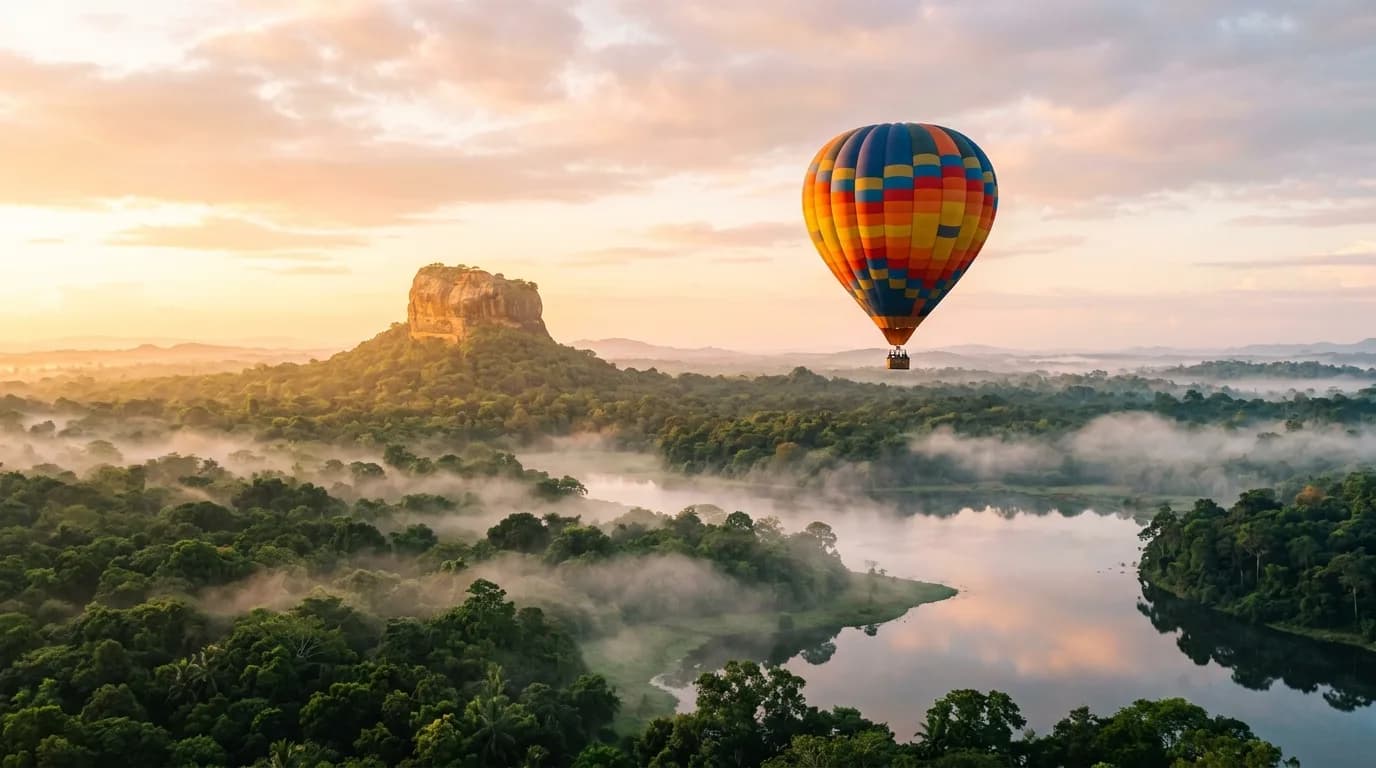
6. Hot-Air Balloon Flight
Dambulla & Kandalama
A sunrise hot-air balloon flight over Sri Lanka's Cultural Triangle launches at dawn near Kandalama Lake. Flights drift silently over misty jungle canopies, ancient irrigation tanks, and rural farmland with distant views of Sigiriya Rock Fortress.
- Best time
- Best: November – April
- Time needed
- Half Day · 3–4 hours
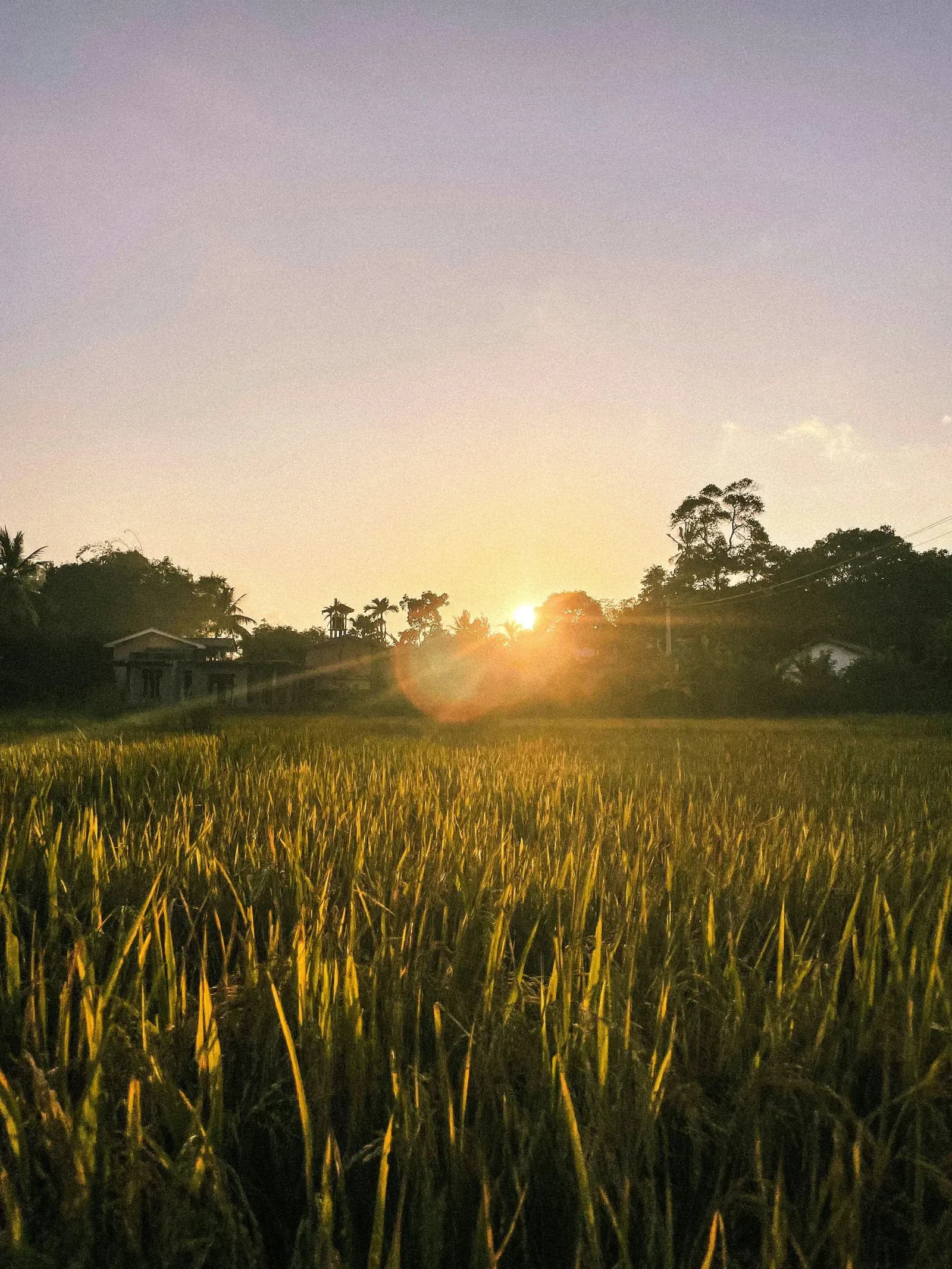
7. Village & Cooking Experience
Cultural Triangle villages
A village cooking experience takes you into a rural Sri Lankan home to prepare rice and curry from scratch: scraping coconut, grinding spices on a stone, and cooking over a wood fire in clay pots. Most visits include a lakeside or paddy-field transfer by bullock cart or canoe, and finish with lunch together.
- Best time
- Best: Year-round
- Time needed
- Half Day · 3–4 hours
Kandy and the hill country: temples, tea and the train
Kandy was the last royal capital and is home to the Temple of the Sacred Tooth Relic. Above it, the road climbs into tea country around Nuwara Eliya, Haputale and Ella, between about 1,000 and 2,000 metres. Pack a fleece: nights in Nuwara Eliya average 10 to 14°C. The famous train runs again between Nanu Oya and Ella; the section from Kandy is closed (November 2026).
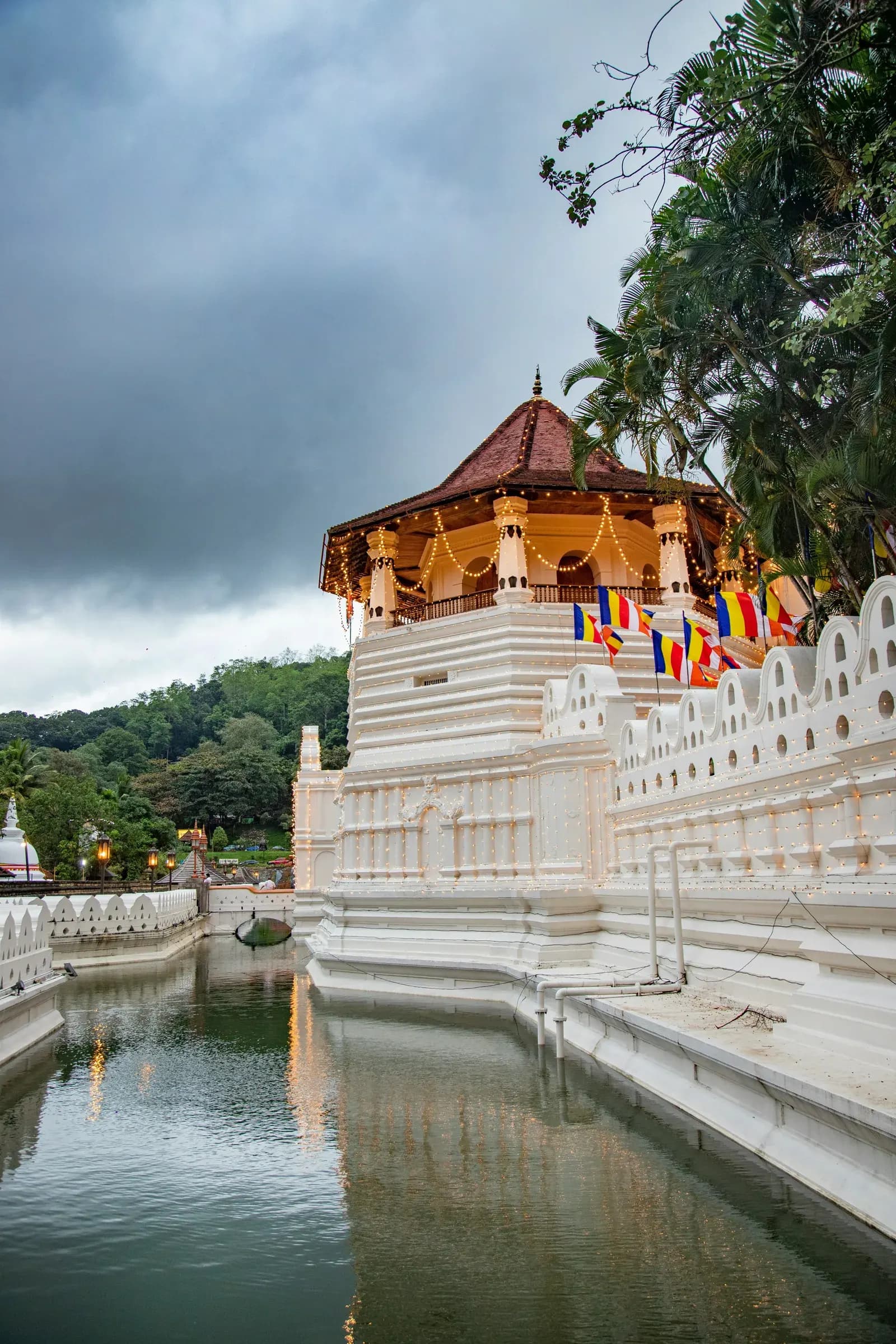
8. Temple of the Tooth, Kandy
Kandy, Central Highlands
Sri Dalada Maligawa, the Temple of the Sacred Tooth Relic, is Sri Lanka's most venerated Buddhist shrine, housing the left canine tooth relic of Gautama Buddha. Located within the royal palace complex along Kandy Lake, visitors can witness rhythmic Thevava drumming rituals and flower offerings during morning and evening pooja ceremonies.
- Best time
- Best: Year-round (Esala Perahera in July/August)
- Time needed
- Half Day · 2–3 hours
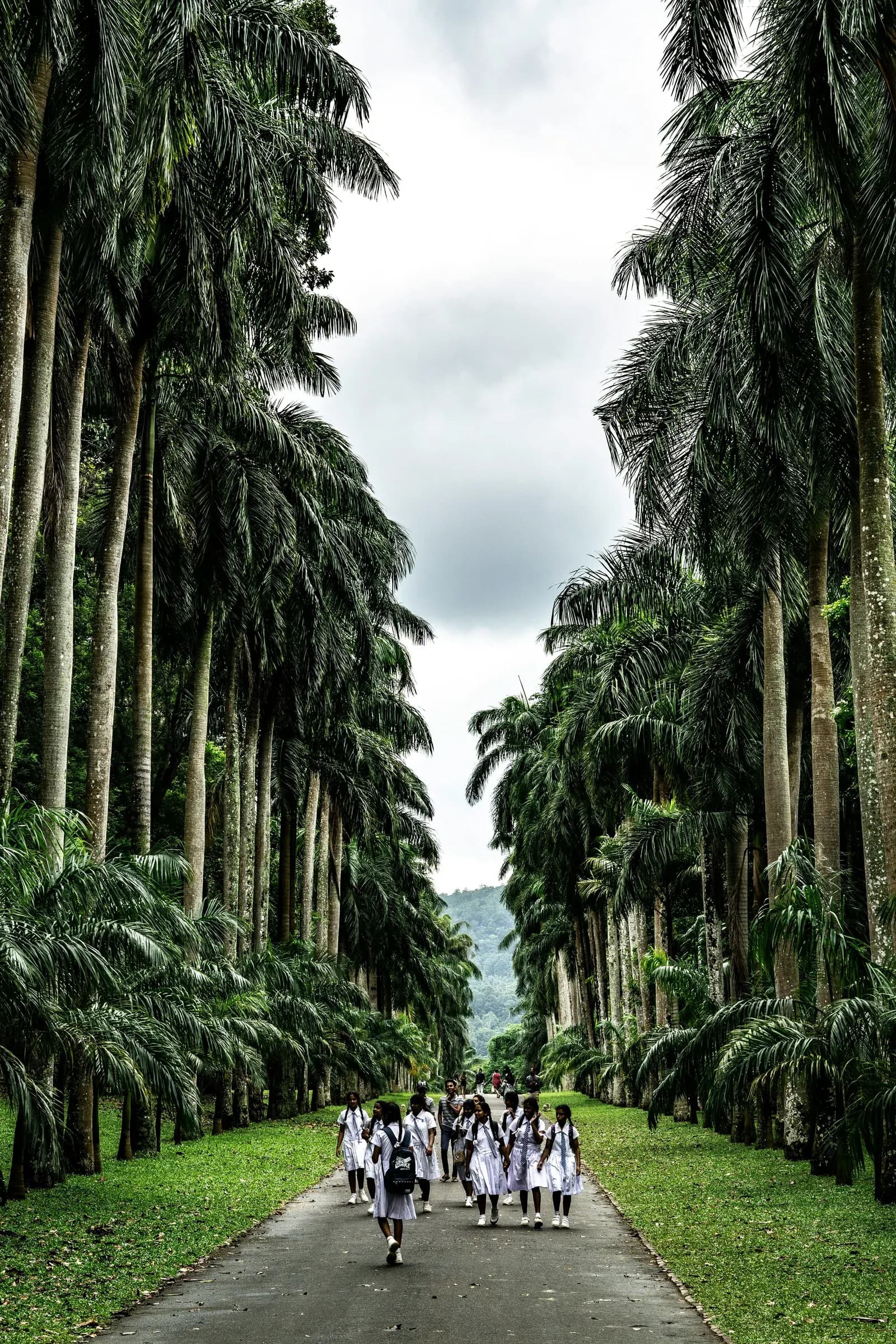
9. Peradeniya Botanic Gardens
Peradeniya, Kandy
The Royal Botanic Gardens at Peradeniya, situated in a scenic loop of the Mahaweli River just outside Kandy, is Sri Lanka's premier botanical park. Spanning 147 lush acres and home to over 4,000 plant species, visitors wander beneath towering avenues of Royal Palms, marvel at exotic blossoms in the national Orchid House, and relax under an immense 100-year-old Javan Fig tree.
- Best time
- Best: Year-round
- Time needed
- Half Day · 2–3 hours

10. Kandy to Ella Train
Kandy to Ella, Hill Country
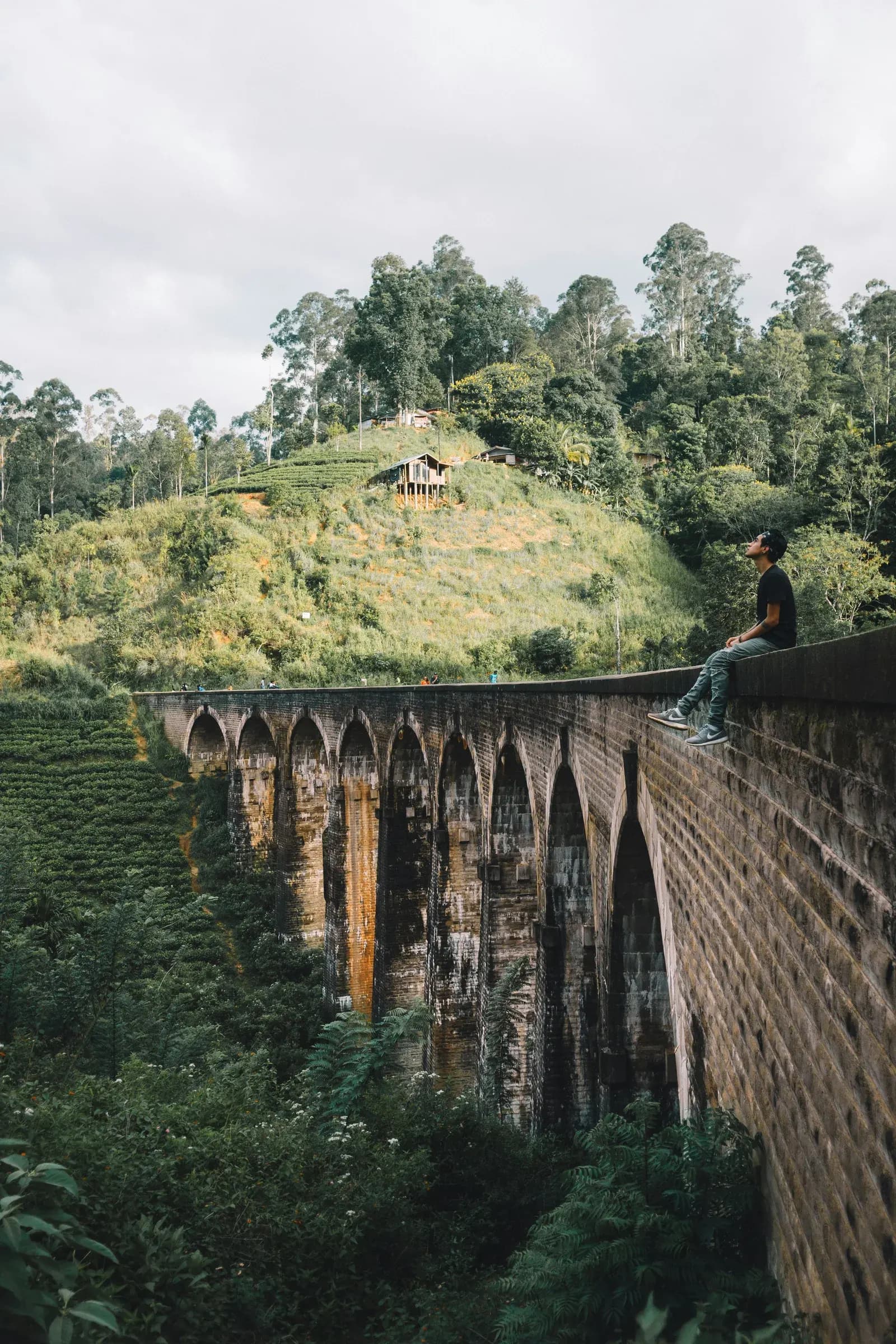
The Kandy to Ella railway is widely called one of the world's most scenic train journeys. Over roughly six to seven hours it climbs through tea estates, pine forest, waterfalls and hill villages, crossing the Nine Arches Bridge near Ella.
- Best time
- Best: Year-round
- Time needed
- Full Day · 6–7 hours
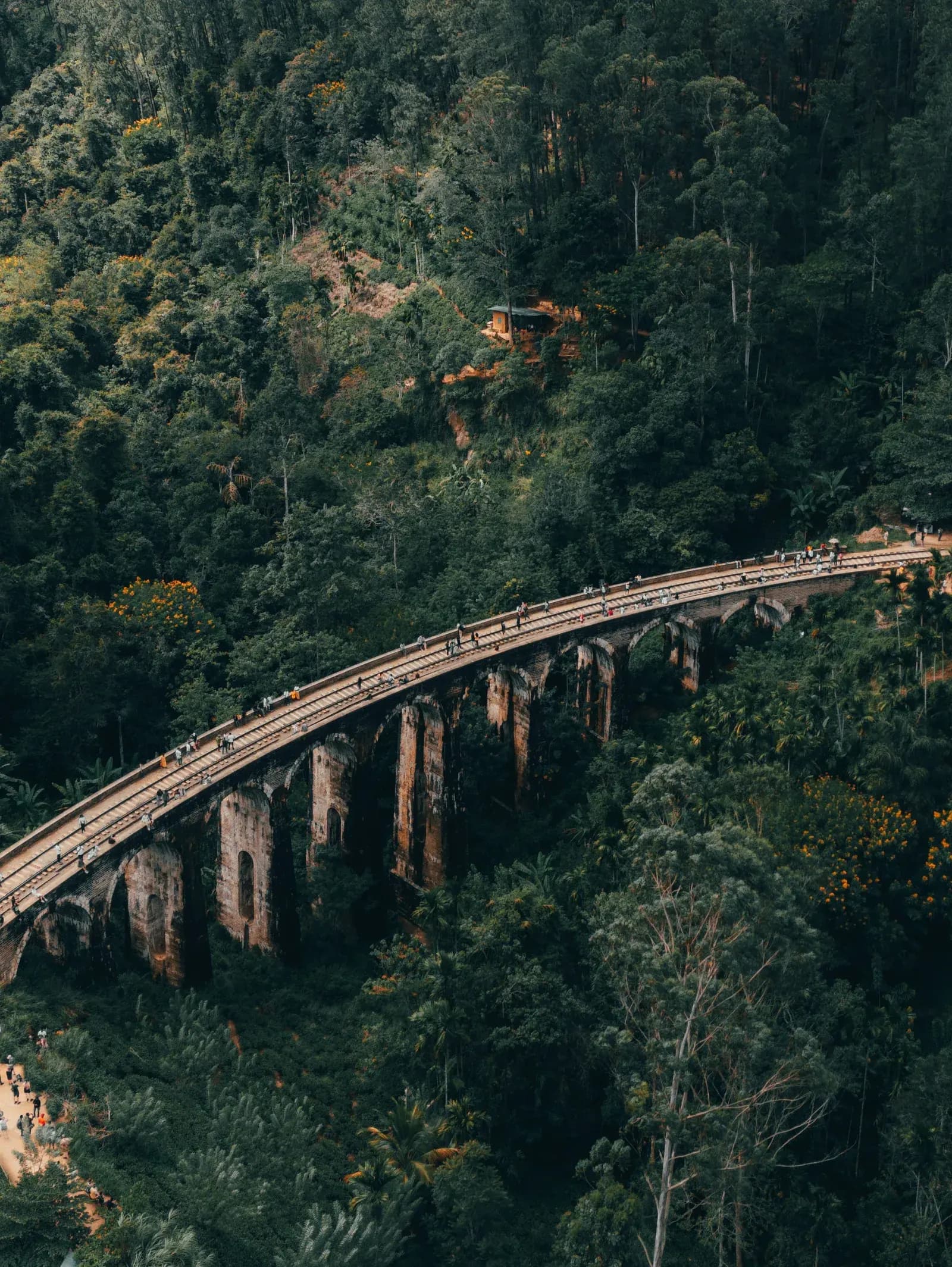
11. Nine Arches Bridge, Ella
Ella, Badulla District
The Nine Arches Bridge, also known as the Bridge in the Sky, is a magnificent 1921 stone railway viaduct nestled between Ella and Demodara stations. Standing 24 metres tall without a single piece of steel, the bridge arcs gracefully across a dense green valley of tea bushes and tropical forest as highland trains rumble overhead.
- Best time
- Best: Year-round (Best December–April)
- Time needed
- Half Day · 2–3 hours
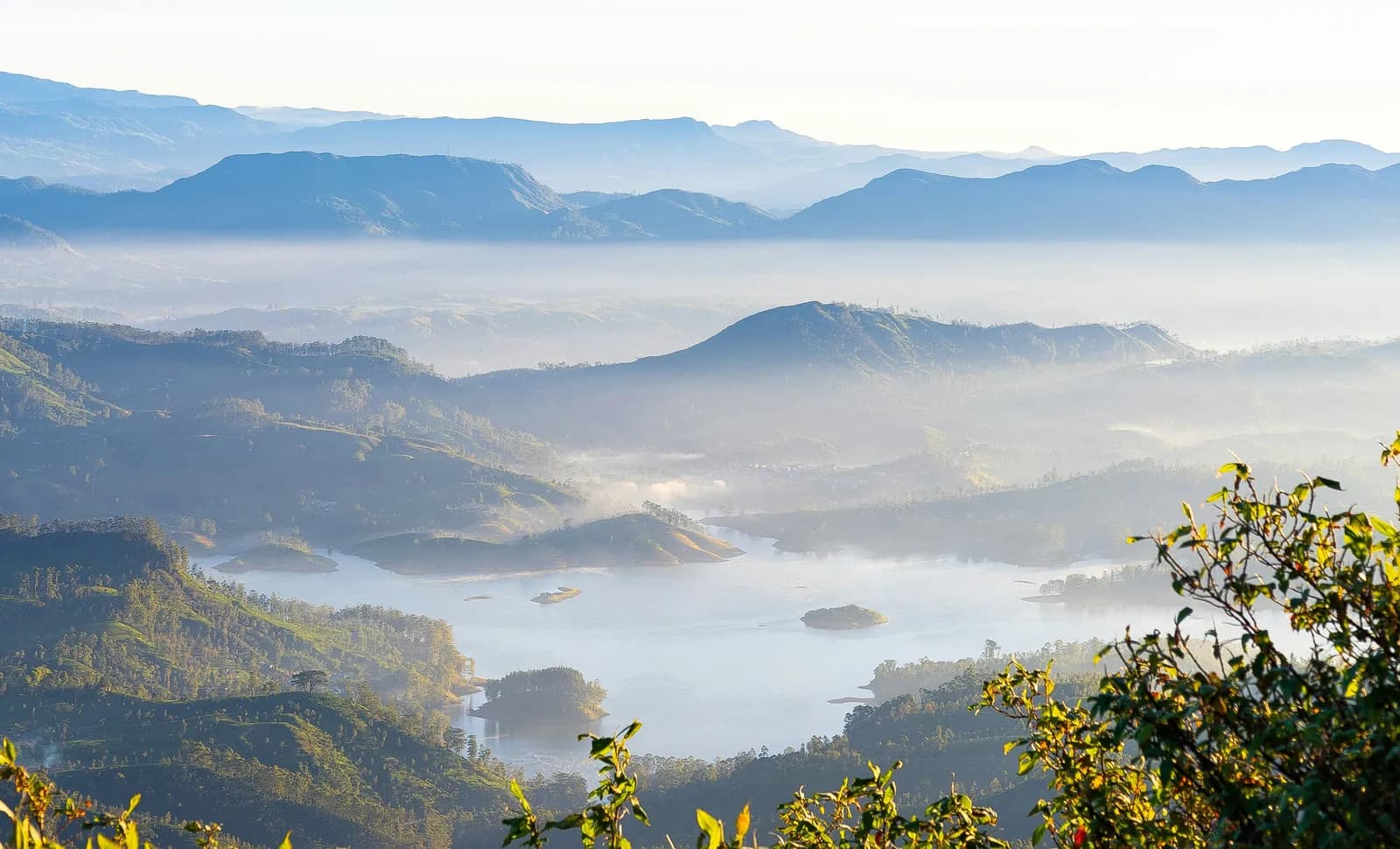
12. Horton Plains & World's End
Horton Plains, Nuwara Eliya
Horton Plains National Park sits above 2,000 metres in Sri Lanka's central highlands, part of a UNESCO World Heritage landscape. A 9.5km circular trail crosses open montane grassland and cloud forest to World's End, a sheer escarpment dropping around 870 metres, and returns past Baker's Falls.
- Best time
- Best: January – March
- Time needed
- Half Day · 3–4 hours walking
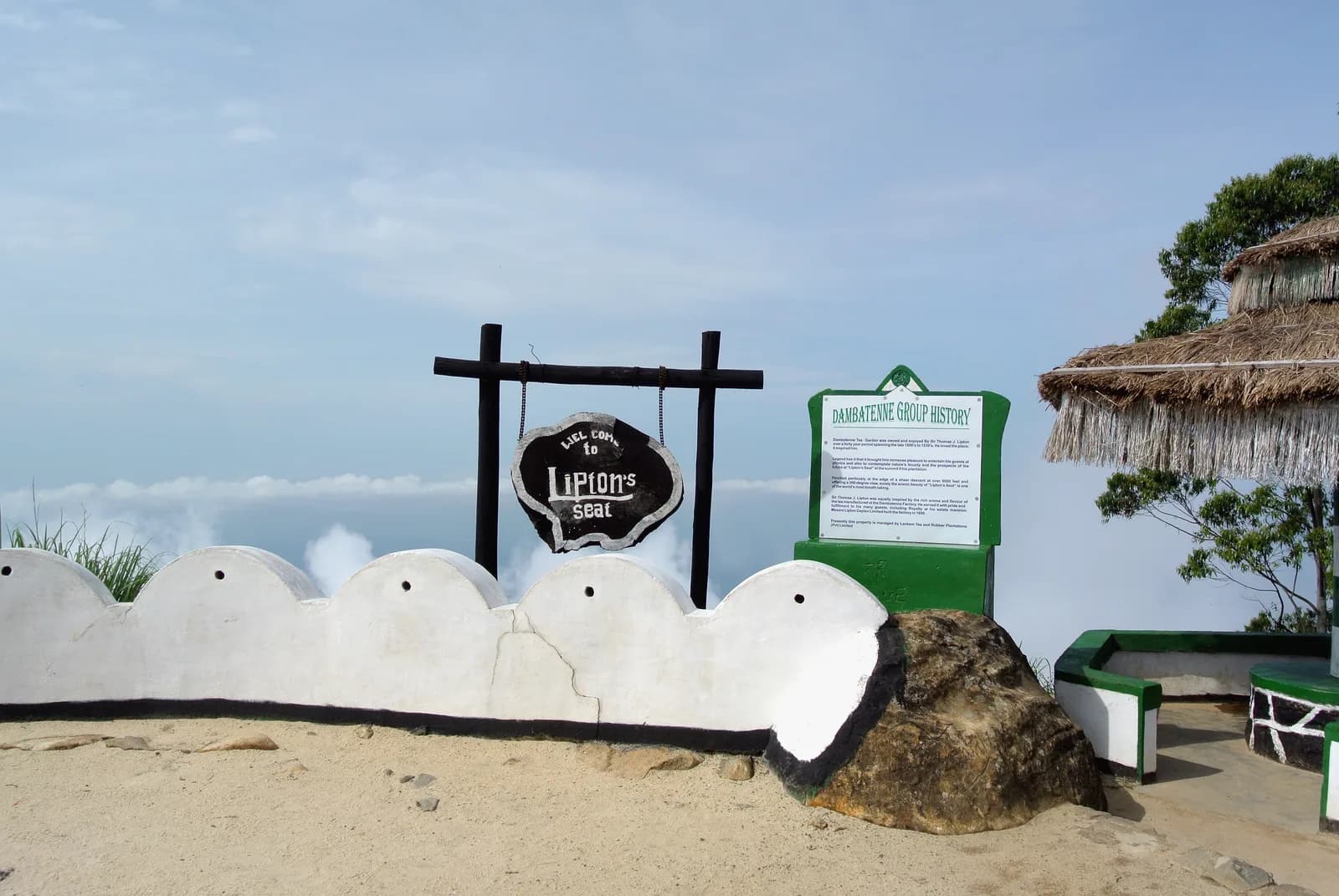
13. Lipton's Seat Sunrise
Haputale & Dambatenne
Perched at 1,970 metres above sea level in the high hills of Haputale, Lipton's Seat is the celebrated viewpoint where Scottish tea pioneer Sir Thomas Lipton surveyed his burgeoning tea empire in the 1890s. On clear mornings, the summit offers an astonishing 360-degree panorama extending over emerald tea gardens and southern coastal plains.
- Best time
- Best: Year-round (mornings offer clearer skies)
- Time needed
- Half Day · 3–4 hours
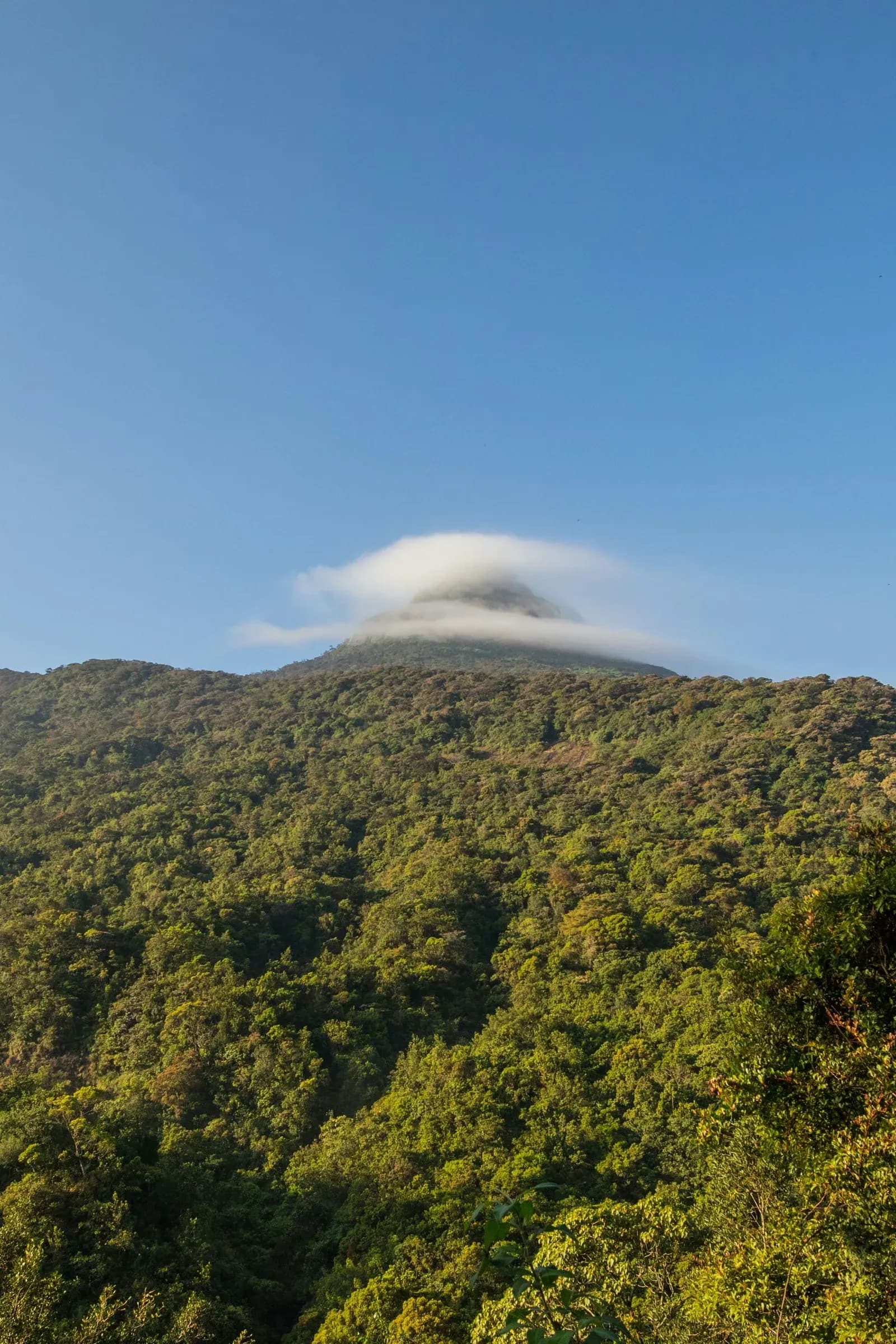
14. Adam's Peak Sunrise Hike
Nallathanniya, Central Highlands
Adam's Peak (Sri Pada) is a sacred 2,243-metre pyramidal mountain in Sri Lanka's central highlands, revered by Buddhists, Hindus, Muslims, and Christians for the sacred footprint atop its summit. During the pilgrimage season from December to May, travellers climb 5,500 illuminated steps through the night to witness an ethereal sunrise and the mountain's mysterious triangular shadow cast across misty clouds.
- Best time
- Best: December to May (Pilgrimage Season)
- Time needed
- Overnight / Dawn · 5–7 hours
Safaris: leopards, elephants and birds
Sri Lanka is one of the easiest places in Asia to see leopards and wild elephants without an African safari budget. Jeep safaris run in the early morning and late afternoon and last three to four hours. Yala's two busiest blocks usually close for a few weeks between early September and late October.
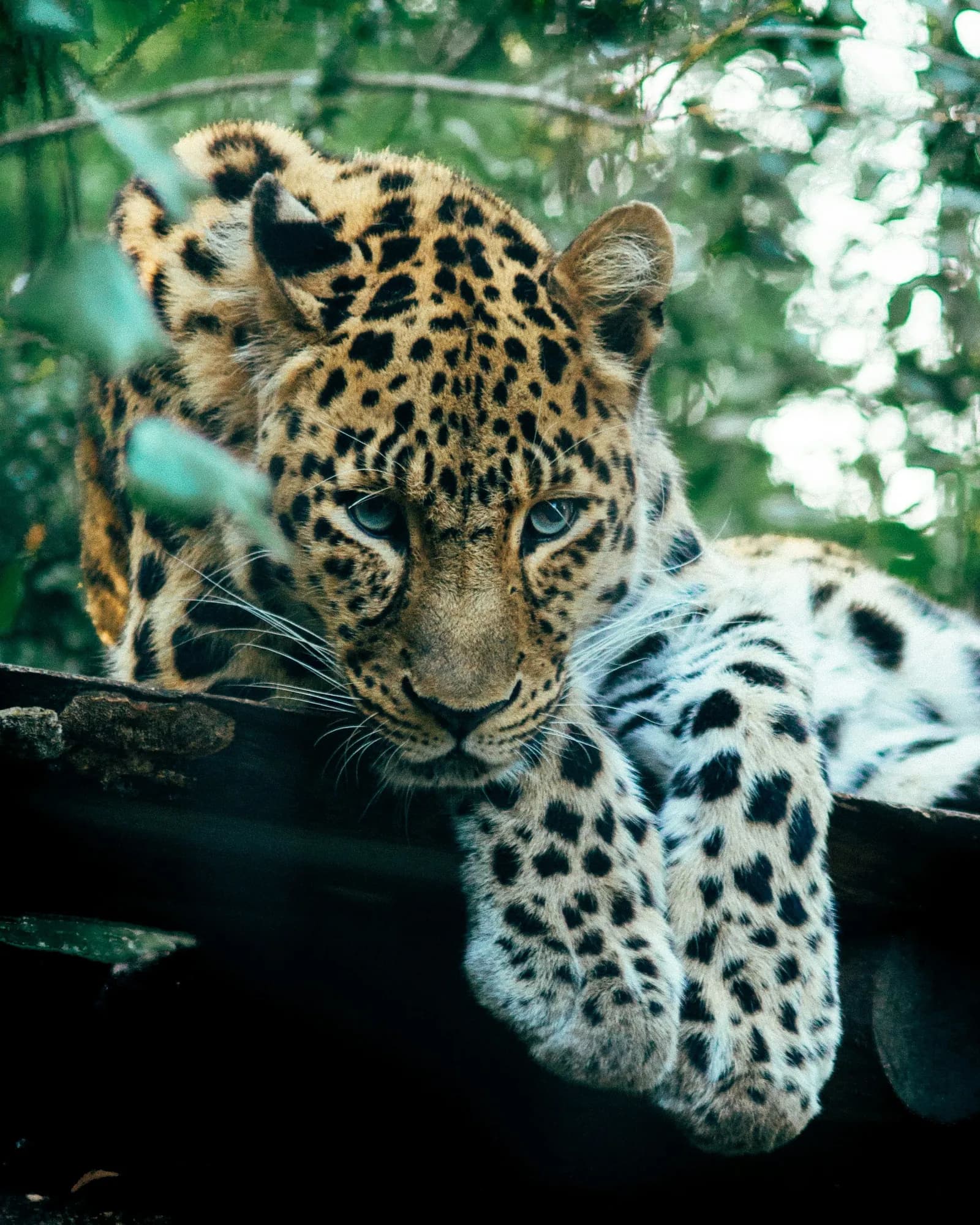
15. Yala Leopard Safari
Yala, Southern Sri Lanka
Yala National Park, on Sri Lanka's southeast coast, holds one of the highest densities of leopards recorded anywhere in the world, concentrated in Block 1. Game drives run at dawn and mid-afternoon in an open 4x4 with a licensed tracker, and also produce elephants, sloth bears, crocodiles and buffalo.
- Best time
- Best: February – July
- Time needed
- Half or Full Day
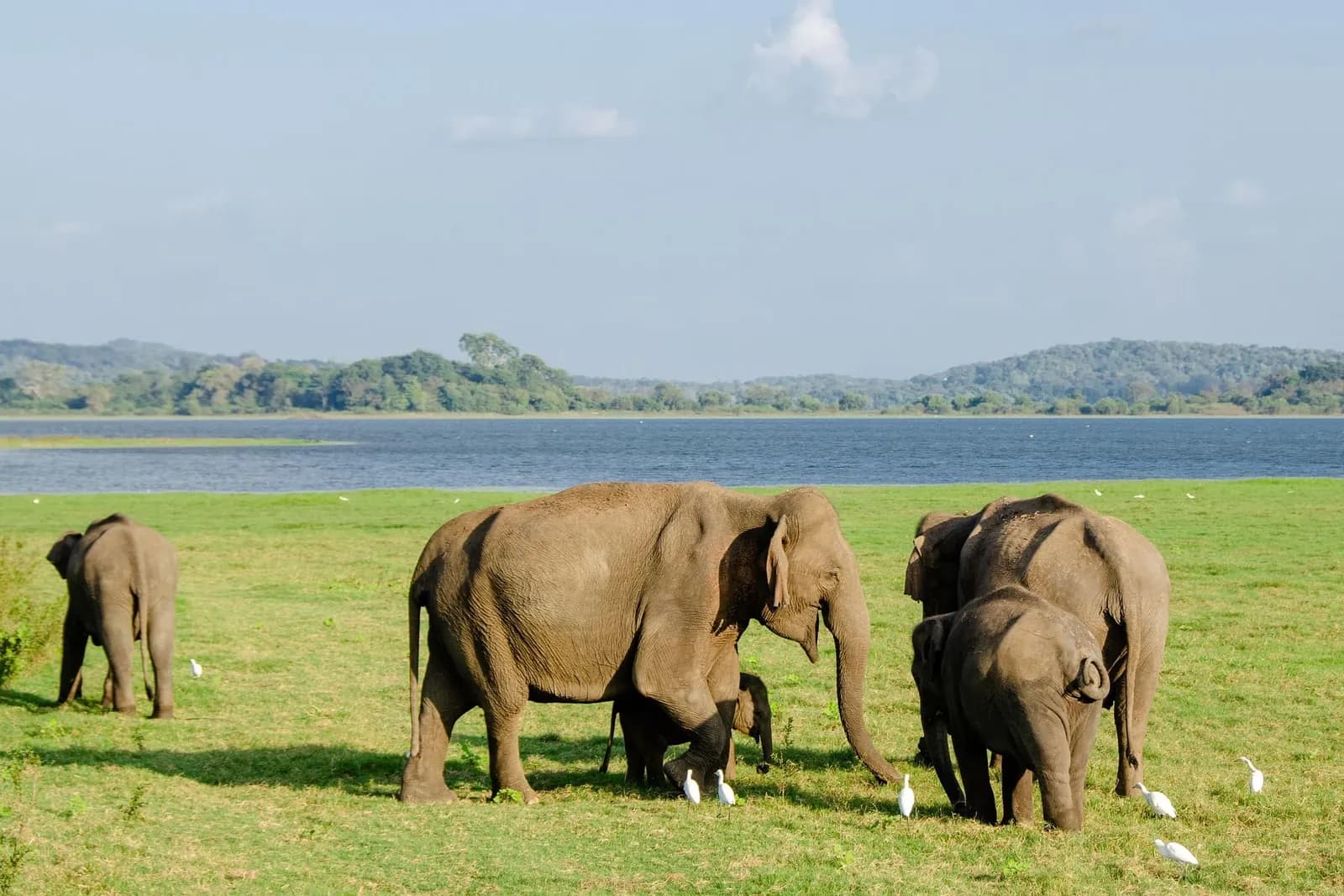
16. Udawalawe Safari
Udawalawe, Sabaragamuwa
Udawalawe National Park, around 165km southeast of Colombo, is Sri Lanka's most dependable place to see wild elephants. Several hundred live inside its open grassland and scrub around a large reservoir, and herds are visible on most drives throughout the year.
- Best time
- Best: Year-round
- Time needed
- Half Day · 3–4 hours
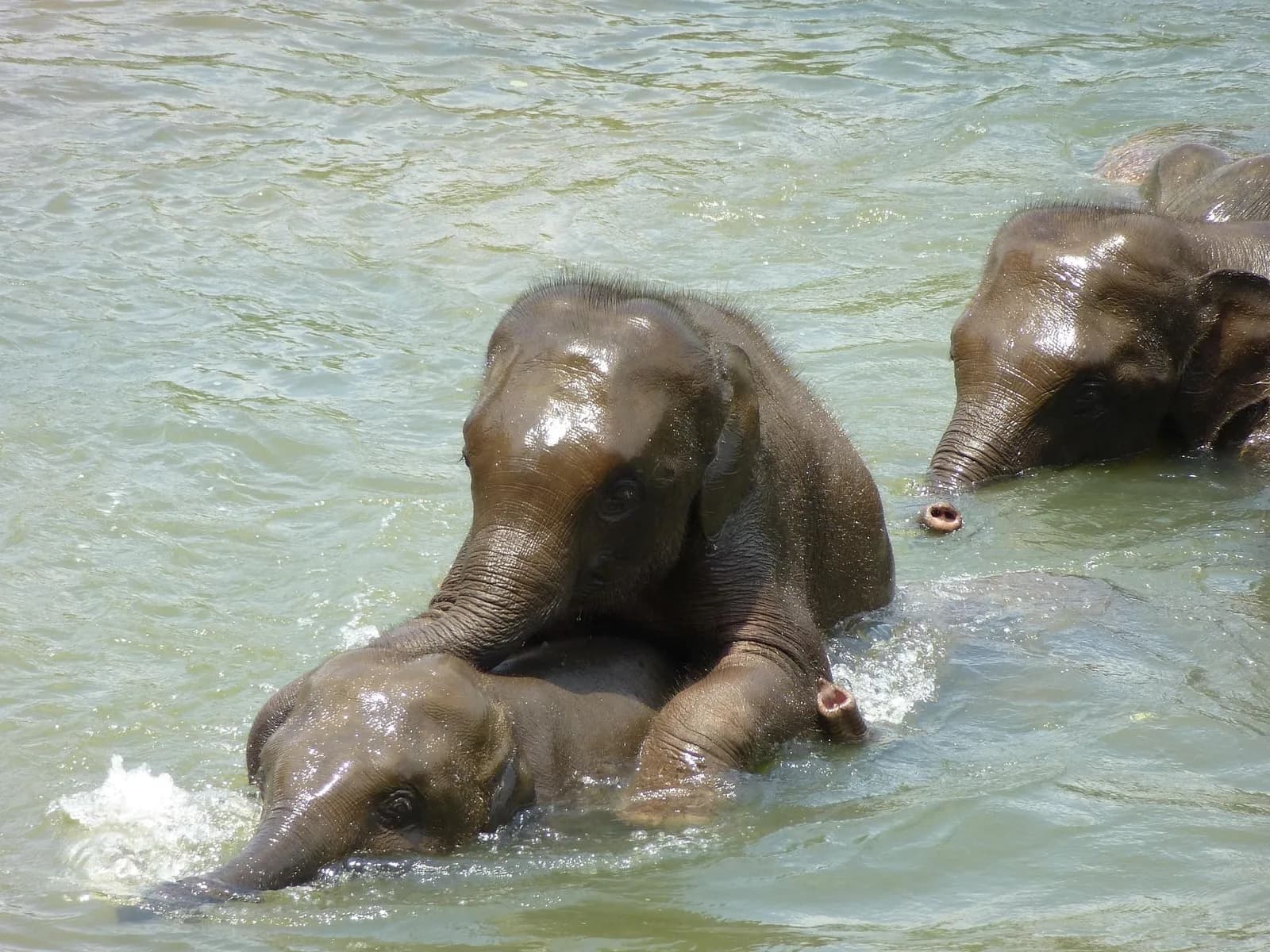
17. Minneriya Elephant Gathering
Minneriya National Park, North Central
The Great Elephant Gathering at Minneriya National Park is recognized as one of the world's greatest wildlife spectacles. During the dry season from July to October, up to 300 wild Asian elephants congregate on the receding lakebed of the ancient Minneriya tank to graze on fresh shoots, drink, bathe, and socialize in huge family clans.
- Best time
- Best: July to October (Peak Gathering); Year-round wildlife
- Time needed
- Half Day · 3–4 hours
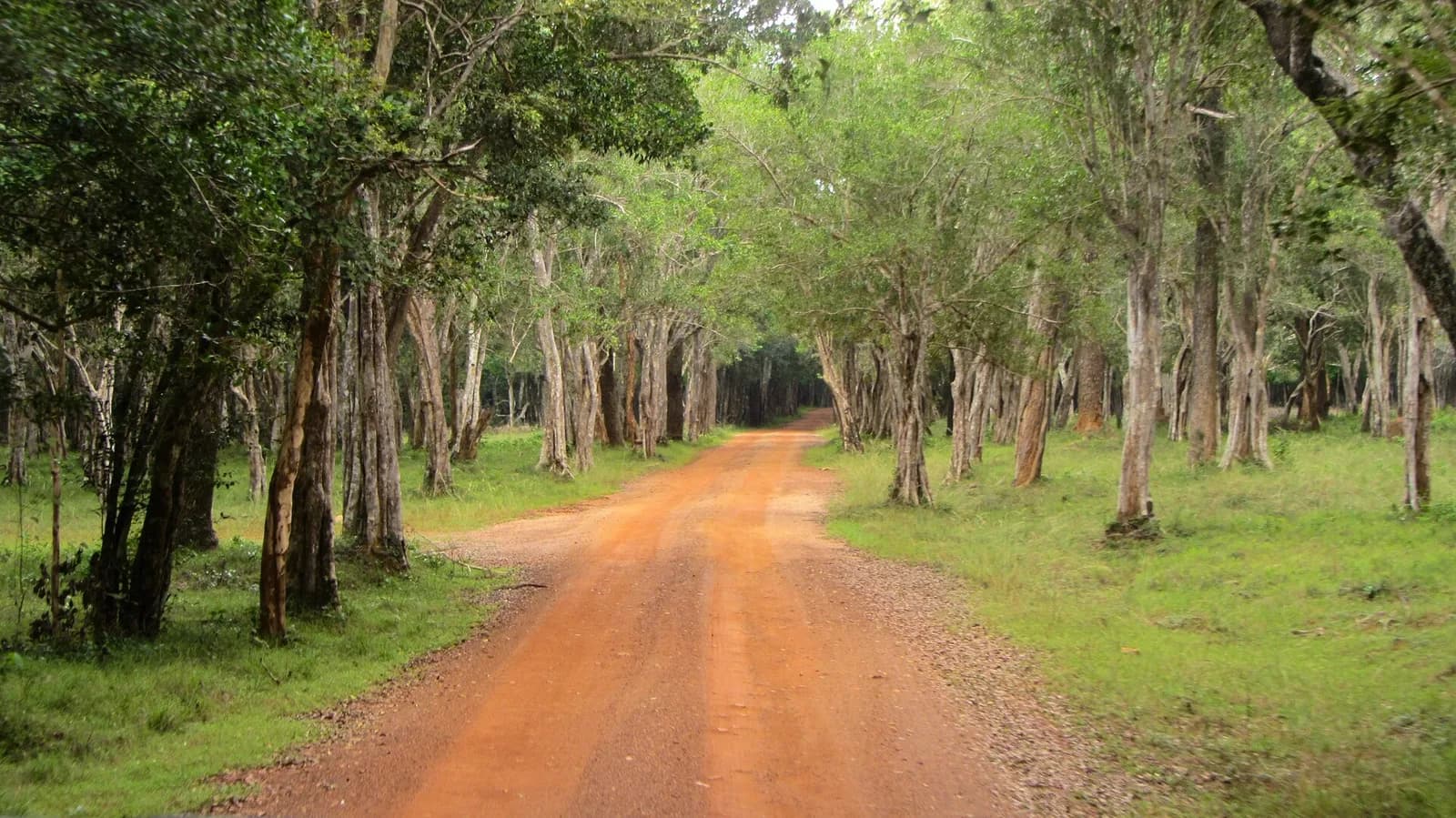
18. Wilpattu Safari
North-western & North Central Provinces
Wilpattu National Park is Sri Lanka's largest and oldest protected wildlife reserve, spanning over 130,000 hectares of dry-zone forest. Characterized by nearly 60 natural rainwater lakes called 'villus' fringed by pure white sands, Wilpattu offers uncrowded private safaris with prime sightings of Sri Lankan leopards, sloth bears, Asian elephants, and spotted deer.
- Best time
- Best: February – October (year-round accessibility)
- Time needed
- Half Day (4 hrs) or Full Day (10 hrs)
The south and west coast: forts, whales and rainforest
From Galle to Tangalle, the south coast is the classic winter-sun stretch, at its best from January to March, when Galle averages 71 to 90 mm of rain a month. Galle is under three hours from the airport on the expressway, which makes it an easy last stop before a flight home.
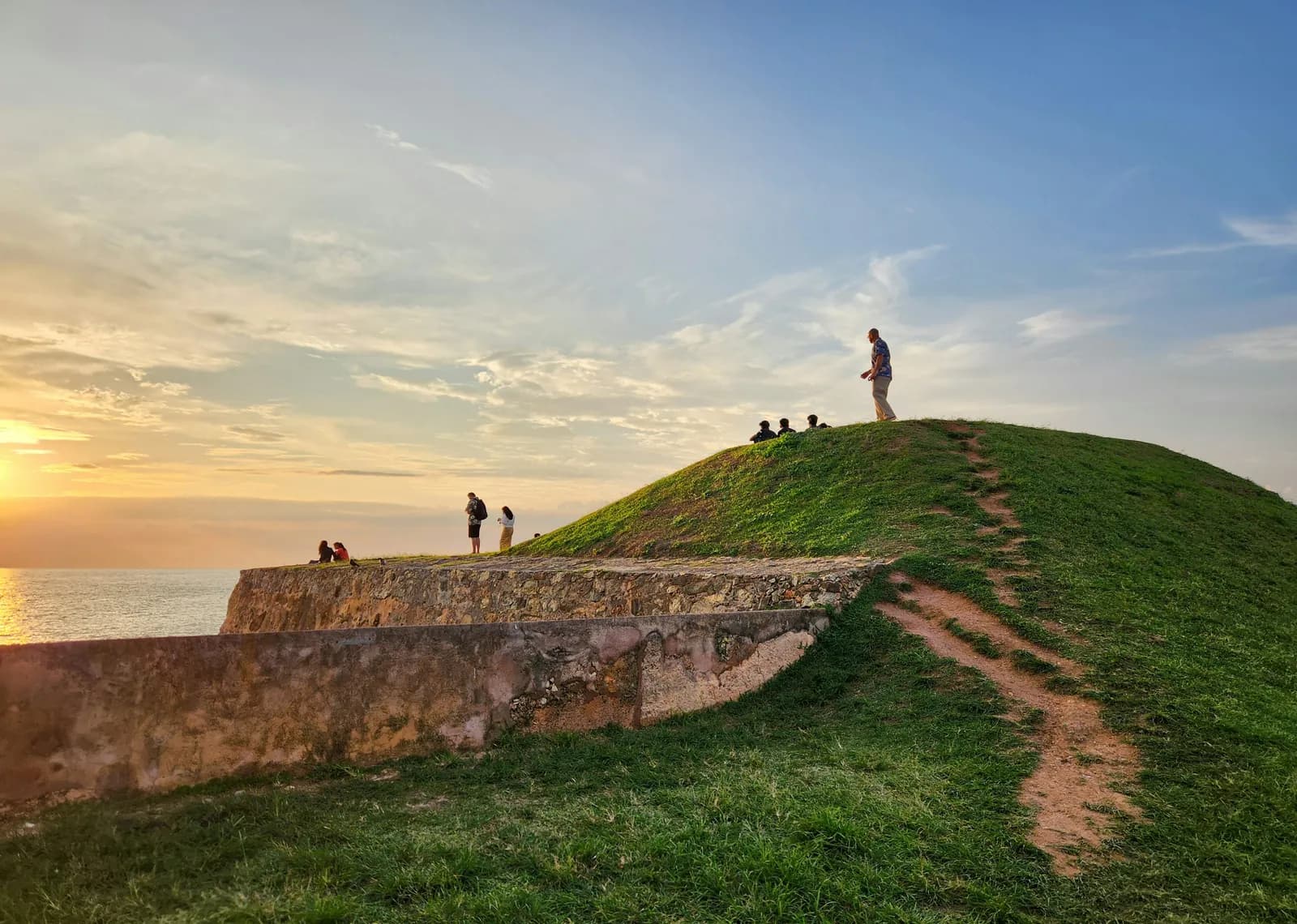
19. Galle Fort
Galle, South Coast
Galle Fort is a walled city on Sri Lanka's south coast, built by the Portuguese and rebuilt by the Dutch in the seventeenth century, and a UNESCO World Heritage Site. Inside the ramparts are cobbled lanes, colonial villas, churches, a working lighthouse, museums and cafés.
- Best time
- Best: Year-round
- Time needed
- Half Day · 3–4 hours
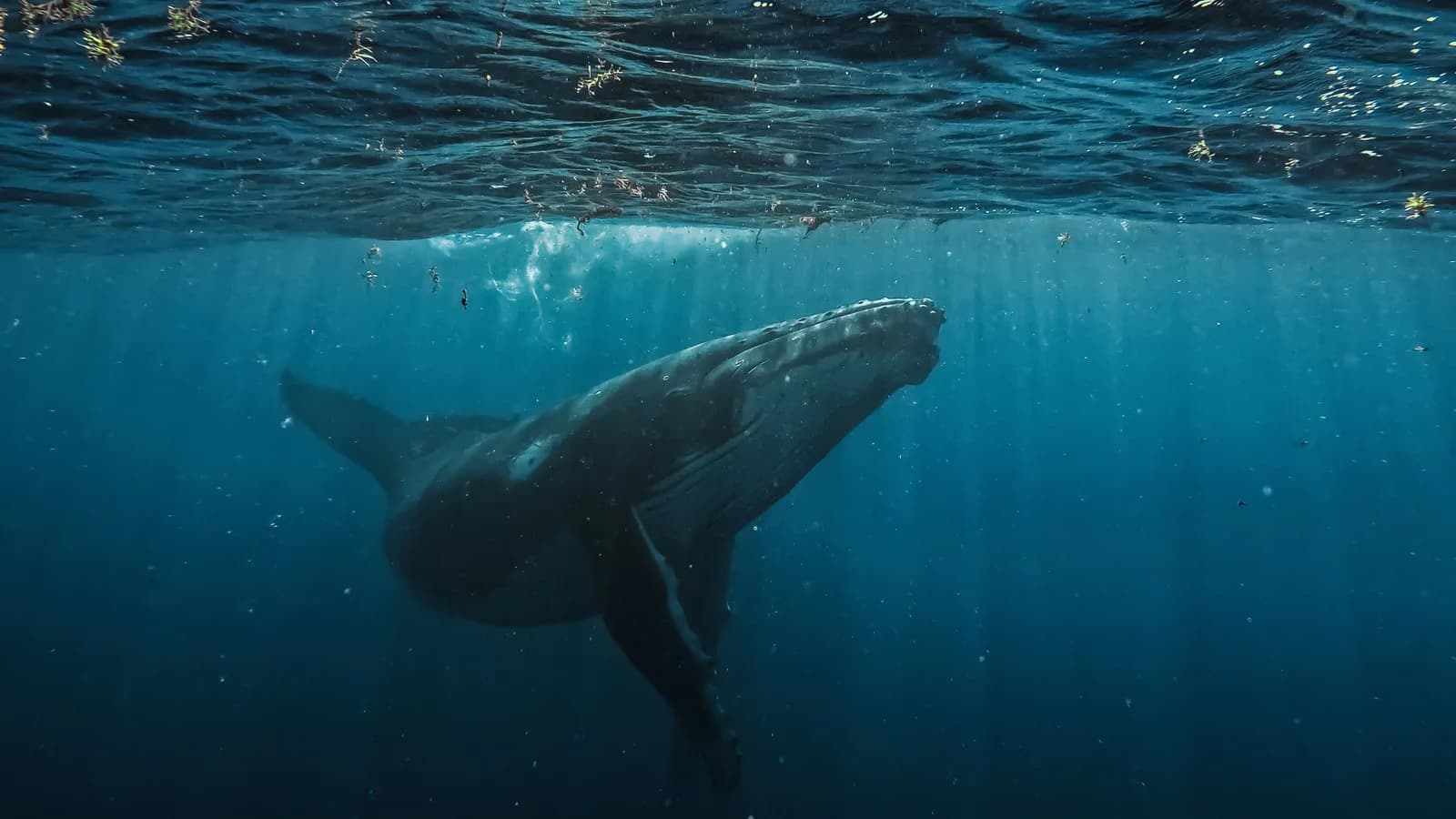
20. Mirissa Whale Watching
Mirissa, South Coast
Mirissa, on Sri Lanka's south coast, is one of the world's most accessible places to see blue whales. The continental shelf drops away close to shore near Dondra Point, so boats reach deep water within an hour.
- Best time
- Best: November – April
- Time needed
- Half Day · 4–5 hours
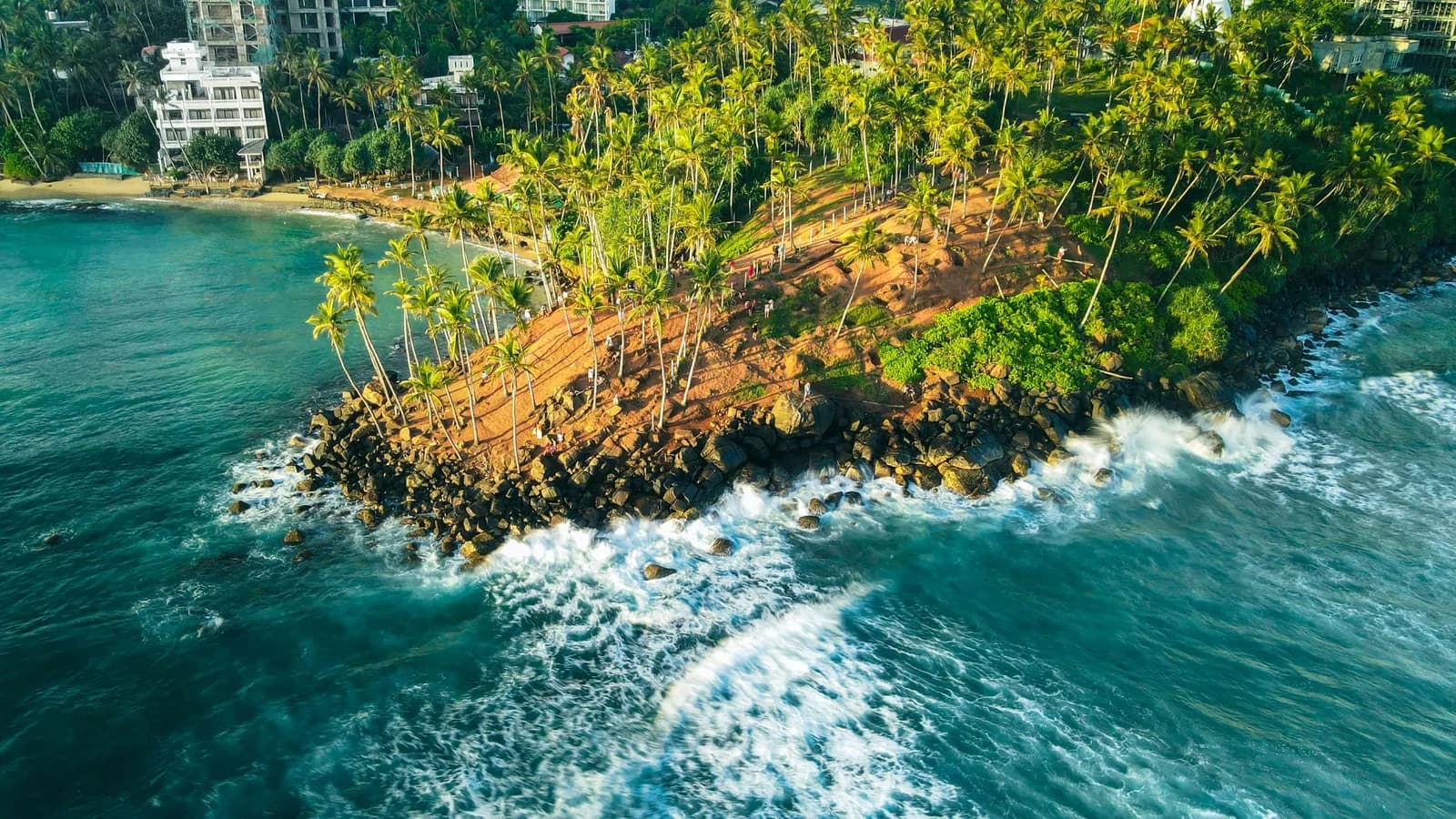
21. Madu Ganga River Safari
Balapitiya, South West Coast
Madu Ganga is a protected mangrove wetland at Balapitiya on Sri Lanka's south west coast, designated a Ramsar site and scattered with around 64 islands. A two-to-three hour boat safari winds through narrow mangrove tunnels, stops at a cinnamon-making island and a small island temple, and is excellent for water birds.
- Best time
- Best: Year-round
- Time needed
- Half Day · 2–3 hours
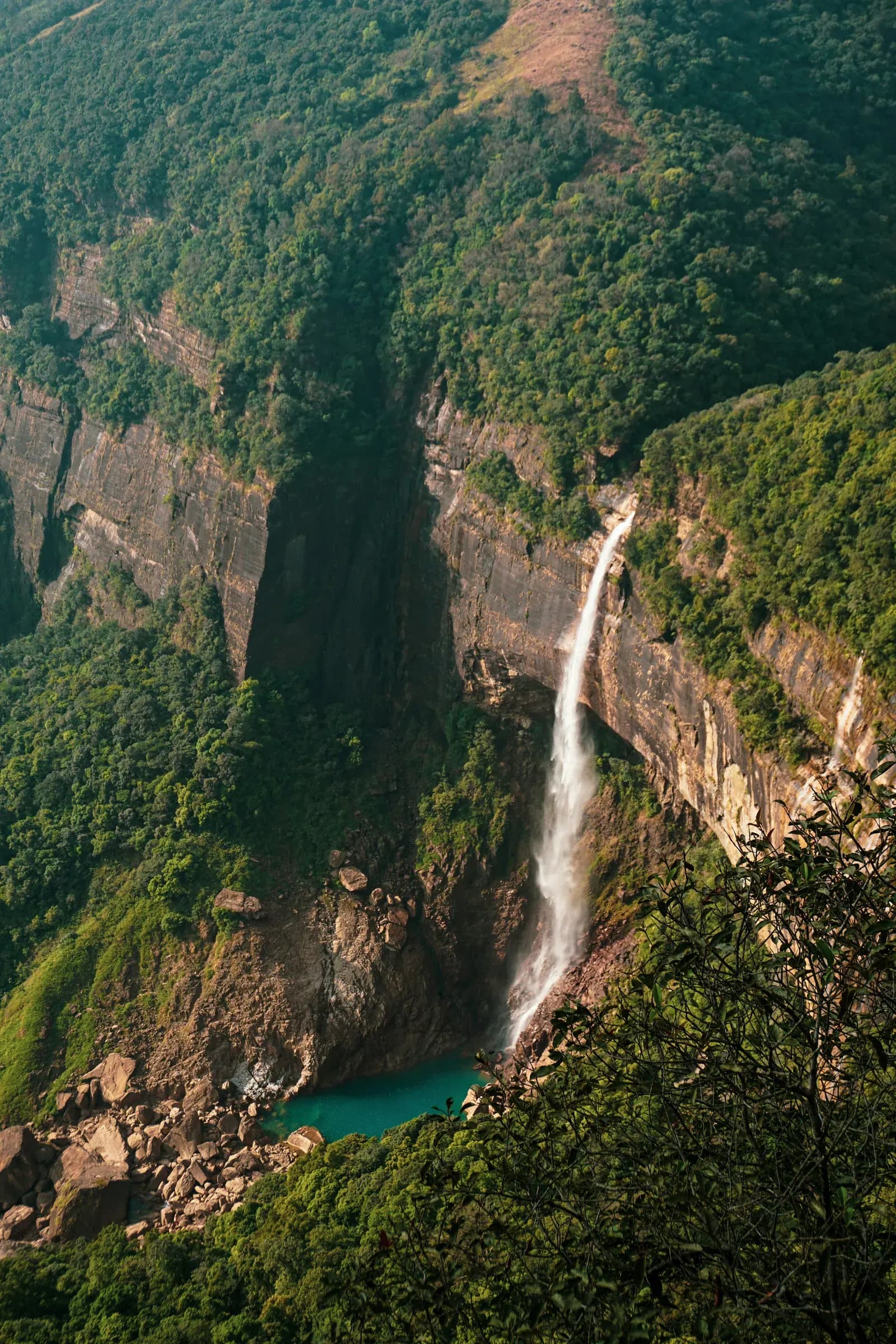
22. Sinharaja Rainforest
Sinharaja, Sabaragamuwa
Sinharaja Forest Reserve is Sri Lanka's last major stretch of primary lowland rainforest and a UNESCO World Heritage Site. Almost all of the island's endemic bird species are recorded here, along with endemic frogs, lizards and purple-faced langurs.
- Best time
- Best: December – April, August – September
- Time needed
- Half or Full Day
The east coast: surf and coral in the summer months
When the south-west monsoon reaches the south and west coasts (May to September), the east coast is dry: Trincomalee averages 26 mm of rain in June. That makes it the summer-holiday coast for families from the UK and Ireland.
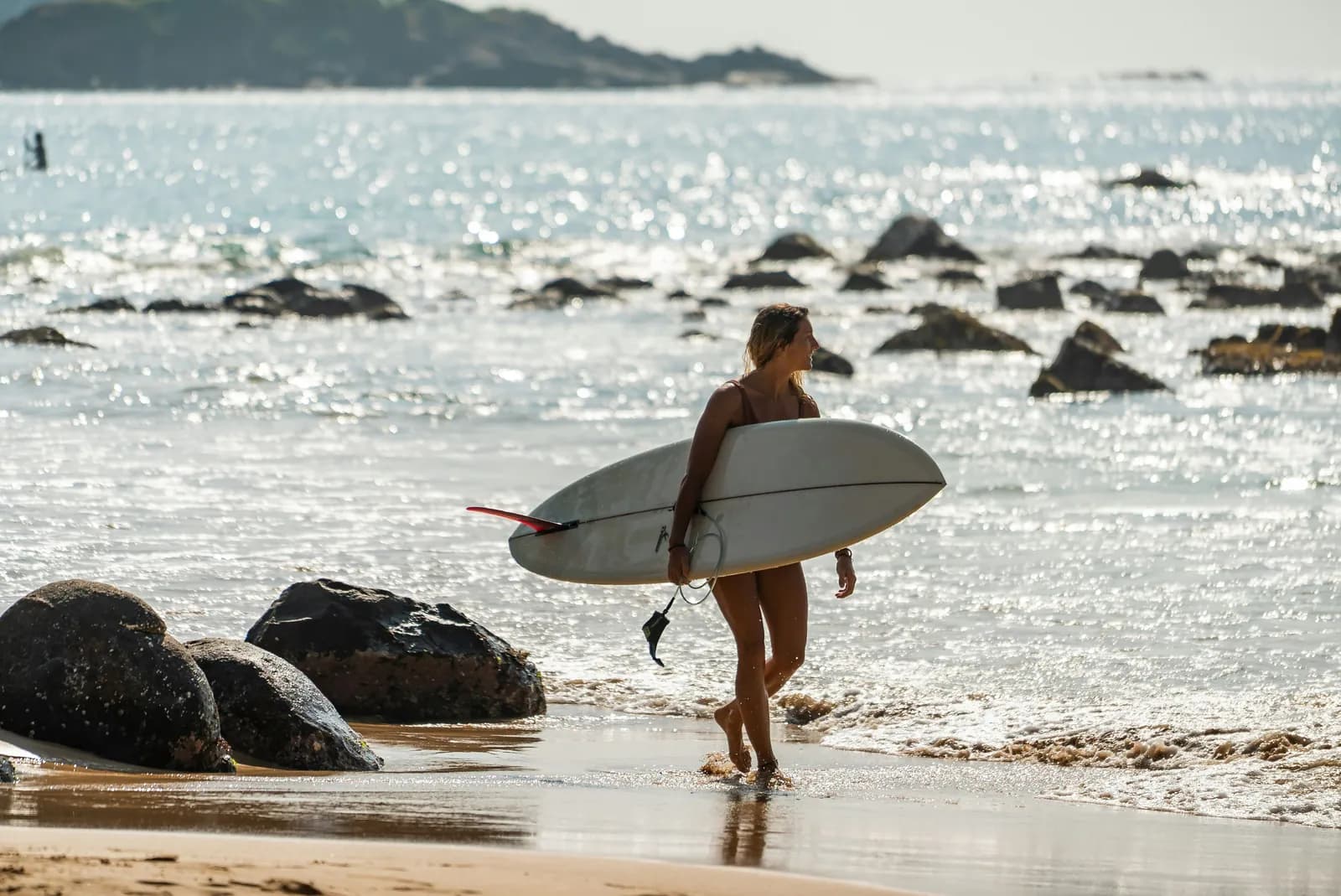
23. Arugam Bay Surfing
Arugam Bay, East Coast
Arugam Bay on Sri Lanka's east coast is the country's best-known surf destination. Its season runs from around April to October, the opposite of the south coast, and Main Point is a long right-hand point break that works consistently through it.
- Best time
- Best: April – October
- Time needed
- Half Day or Multi-Day
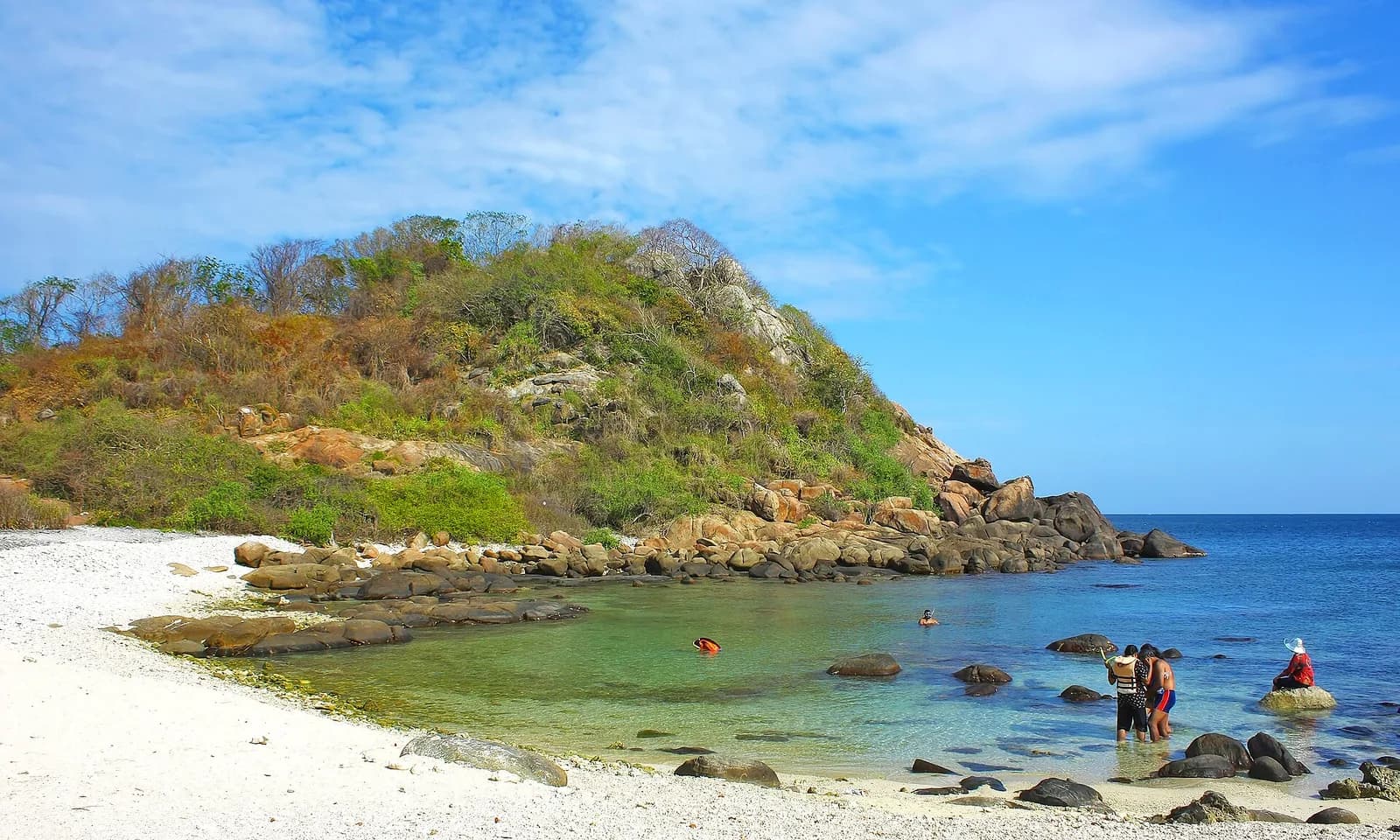
24. Pigeon Island Snorkelling
Near Nilaveli, Trincomalee
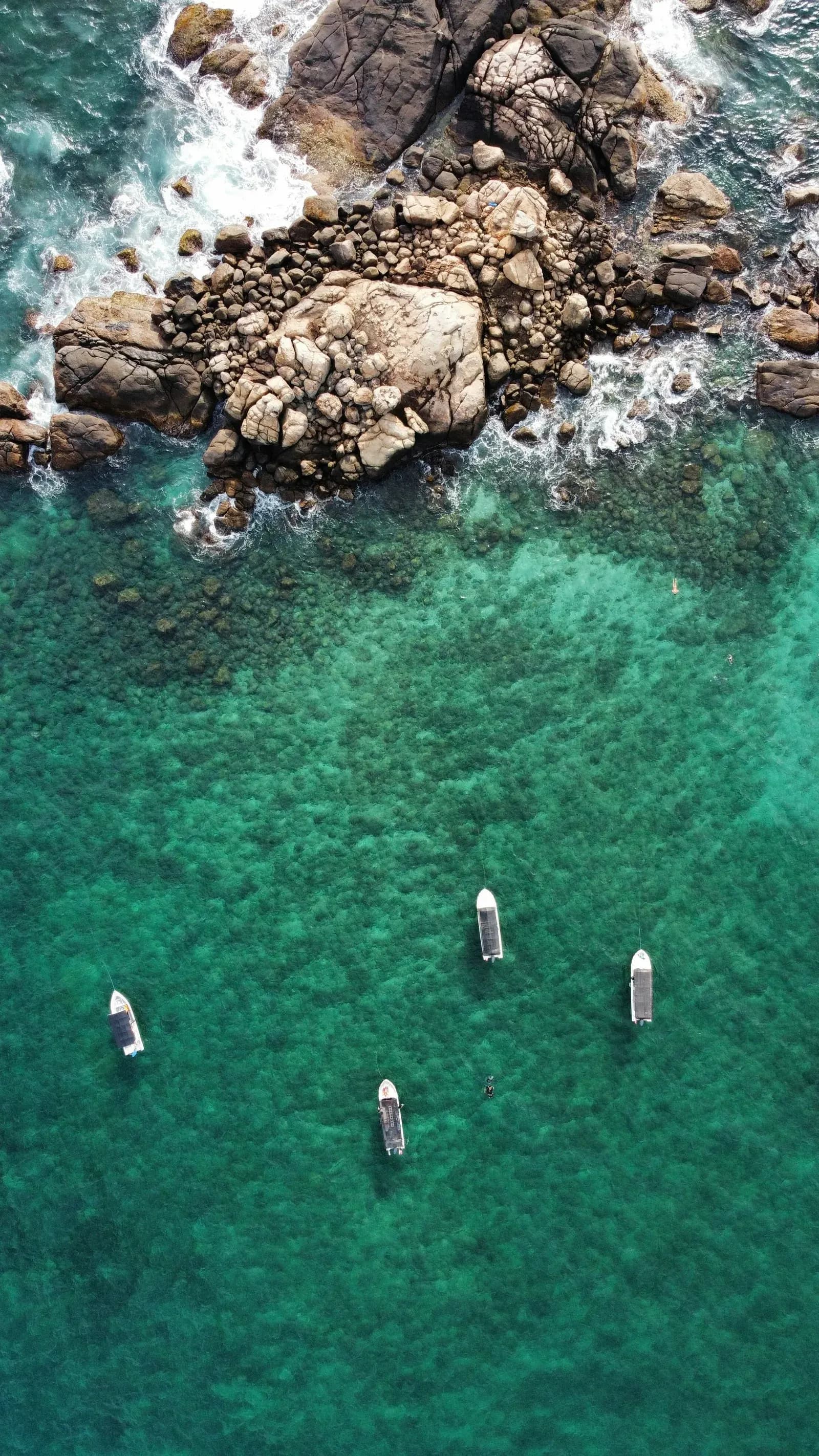
Pigeon Island Marine National Park, located one kilometre off the coast of Nilaveli in Trincomalee, contains some of Sri Lanka's healthiest live coral reefs. The shallow, crystal-clear coastal waters allow snorkellers to glide over vibrant coral gardens and swim alongside gentle blacktip reef sharks, hawksbill sea turtles, and colorful schools of parrotfish.
- Best time
- Best: May – September (calm seas and crystal visibility)
- Time needed
- Half Day · 3–4 hours
Jaffna and the north
Tamil culture, Hindu temples and island villages that few visitors reach. Jaffna is about four hours north of the Cultural Triangle, so give it at least two nights.
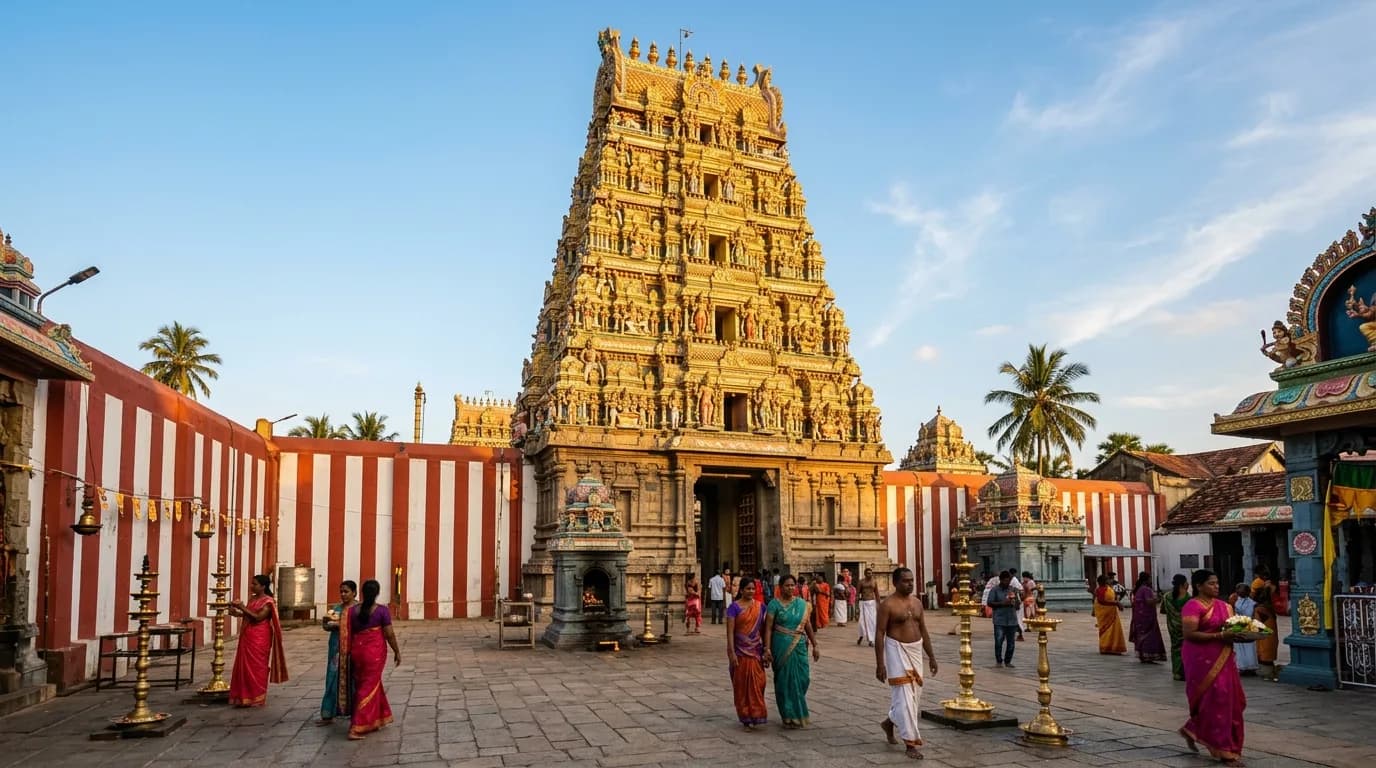
25. Nallur Kovil Jaffna
Jaffna Town
Nallur Kandaswamy Kovil is the spiritual heart of the Jaffna Peninsula and one of Sri Lanka's most significant Hindu temple complexes, dedicated to Lord Murugan. Featuring an elaborate golden Dravidian gopuram, gleaming brass lamps, and sacred courtyards, the temple comes alive during daily pooja services with resonant temple bells, drumbeats, and chanting.
- Best time
- Best: Year-round (Grand Festival in August)
- Time needed
- 2–3 hours
How to fit them into one trip
The island is small, about 430 km from top to bottom, but hill roads are slow, so the order matters more than the distance. This is the route we suggest most often for two weeks, with the drive times we see with our drivers:
| Stop | Nights | Getting there |
|---|---|---|
| Sigiriya and the Cultural Triangle | 3 | About 4 hours from Colombo airport |
| Kandy | 1 | About 2.5 to 3 hours |
| Tea country (Nuwara Eliya) | 2 | About 3 hours |
| Ella | 2 | Train from Nanu Oya, about 2.5 hours |
| Yala (Tissamaharama) | 1 | About 2 hours |
| South coast (Tangalle to Galle) | 4 | About 1.5 to 2 hours; under 3 hours to the airport at the end |
The best months for each region
Sri Lanka has two monsoons that arrive at different times, so somewhere is always dry. These months come from 1991 to 2020 weather-station averages:
| Region | Driest months | Weather station |
|---|---|---|
| Cultural Triangle | January to March, May to September | Anuradhapura |
| Hill country (Nuwara Eliya) | February and March | Nuwara Eliya |
| Ella area | June to August, February | Bandarawela |
| South and west coasts | January to March | Galle, Colombo |
| East coast | February to August | Trincomalee |
Every month in detail is in our best time to visit Sri Lanka guide.
Planning from the UK and Ireland
- Flights: SriLankan Airlines flies non-stop from Heathrow, and British Airways from Gatwick three times a week in winter 2026/27, both in about 10 to 10.5 hours. From Manchester, Birmingham, Scotland, Wales and Ireland you change once, usually in the Gulf or Istanbul. Our UK flights guide covers each airport.
- Entry: an ETA is required. It is free for British passports and costs US$50 online for Irish passports; children under 12 are free. Irish travellers should read Sri Lanka from Ireland.
- School holidays: the February half-term and Easter fit the south and west coasts; the summer holidays fit the east coast, the Cultural Triangle and Ella.
Frequently asked questions
What is the number one thing to do in Sri Lanka?
For most first-time visitors it is climbing Sigiriya, the fifth-century rock fortress and UNESCO World Heritage Site, at opening time before the heat and the crowds. A close second is the hill-country train between Nanu Oya and Ella, which crosses some of the island's best tea-country scenery.
How many days do you need to see the best of Sri Lanka?
Ten to fourteen days covers the Cultural Triangle, Kandy, the hill country, a safari and a few days on the coast without rushing. With a week, choose two regions, for example the Cultural Triangle and Kandy, or the hill country and the south coast.
When is the best time for things to do in Sri Lanka?
January to March suits most of the island: the Cultural Triangle, the hill country and the south and west coasts are all dry. From May to September the east coast and the Ella area are at their driest. October and November are the wettest months almost everywhere.
Where can you see elephants in the wild in Sri Lanka?
Udawalawe National Park has elephants all year. Minneriya, near Sigiriya, is famous for the gathering of hundreds of elephants around its shrinking reservoir, roughly from July to October.
Where is the best place to see leopards in Sri Lanka?
Yala National Park in the south, best from February to July. Wilpattu in the north-west is quieter and also has leopards, though sightings are less frequent. Yala's main blocks usually close for some weeks between September and October.
Can you still take the train from Kandy to Ella?
Not end to end, as of November 2026. Cyclone Ditwah damaged the line in November 2025. The Nanu Oya to Ella section reopened on 20 June 2026, but a landslide in October 2026 closed the line near Kandy. Most travellers drive to Nanu Oya, near Nuwara Eliya, and take the train from there.
What is there to do in Sri Lanka with children?
Elephant safaris in Udawalawe, the Nine Arches Bridge and the train, Galle Fort's ramparts, easy walks such as Little Adam's Peak near Ella, and calm beaches in the right season (the south from January to March, the east from May to September). Keep drives short and build in pool time.
Do I need a visa to visit Sri Lanka from the UK or Ireland?
You need an Electronic Travel Authorisation (ETA) before you fly. British passport holders get it free under the 40-country scheme that started on 25 May 2026. Irish passports are not in that scheme, so Irish adults pay the standard US$50 fee online; children under 12 of any nationality are free.
How we researched this guide
Written by the Zelenso Travel planning team in Sri Lanka from the trips we run, then checked against the primary sources below. Facts were last checked on 22 November 2026. Rules, fees and timetables change: confirm anything time-critical with the official source before you travel.
- Sri Lanka: properties on the World Heritage ListUNESCO World Heritage Centre · checked 23 Nov 2026
- WMO Climate Normals 1991–2020, Sri Lanka stationsWorld Meteorological Organization, archived by NOAA NCEI · checked 23 Nov 2026
- Yala National Park Blocks 1 and 2 to close temporarily from 14 SeptemberNewsfirst, 7 Sep 2026 · checked 23 Nov 2026
- Podi Menike resumes Nanu Oya to BadullaThe Sunday Times (Sri Lanka) · checked 23 Nov 2026
- Train services suspended between Rambukkana, Peradeniya and GampolaNewswire, 23 Oct 2026 · checked 23 Nov 2026
- Free tourist visas for nationals of 40 selected countriesDepartment of Immigration and Emigration, Sri Lanka · checked 23 Nov 2026
Your local team
Who is behind this guide
A registered company in Sri Lanka
ZELENSO (PVT) LTD, company registration PV 00359958, based in Kurunegala. You deal with the people who run your trip on the ground.
Private trips, one clear price
Your own car and driver, hotels chosen for you and a route at your pace. You get a total price in pounds or euros before you book, and no commission stops at gem or spice shops.
A reply within 24 hours
By email at contact@zelenso.com or on WhatsApp at +94 70 552 2299. Planning is free and there is no obligation.
- Who we are and how we work
Guest review
“Our 10-day private tour with Zelenso was perfection from start to finish. Our chauffeur-guide was extraordinary, immensely knowledgeable about Sri Lankan history, a calm and safe driver, and incredible with our two children. We never felt rushed and avoided all tourist traps.”5.0 out of 5 from 6 guest reviews published on our website · Read all reviews